¶ ACDC
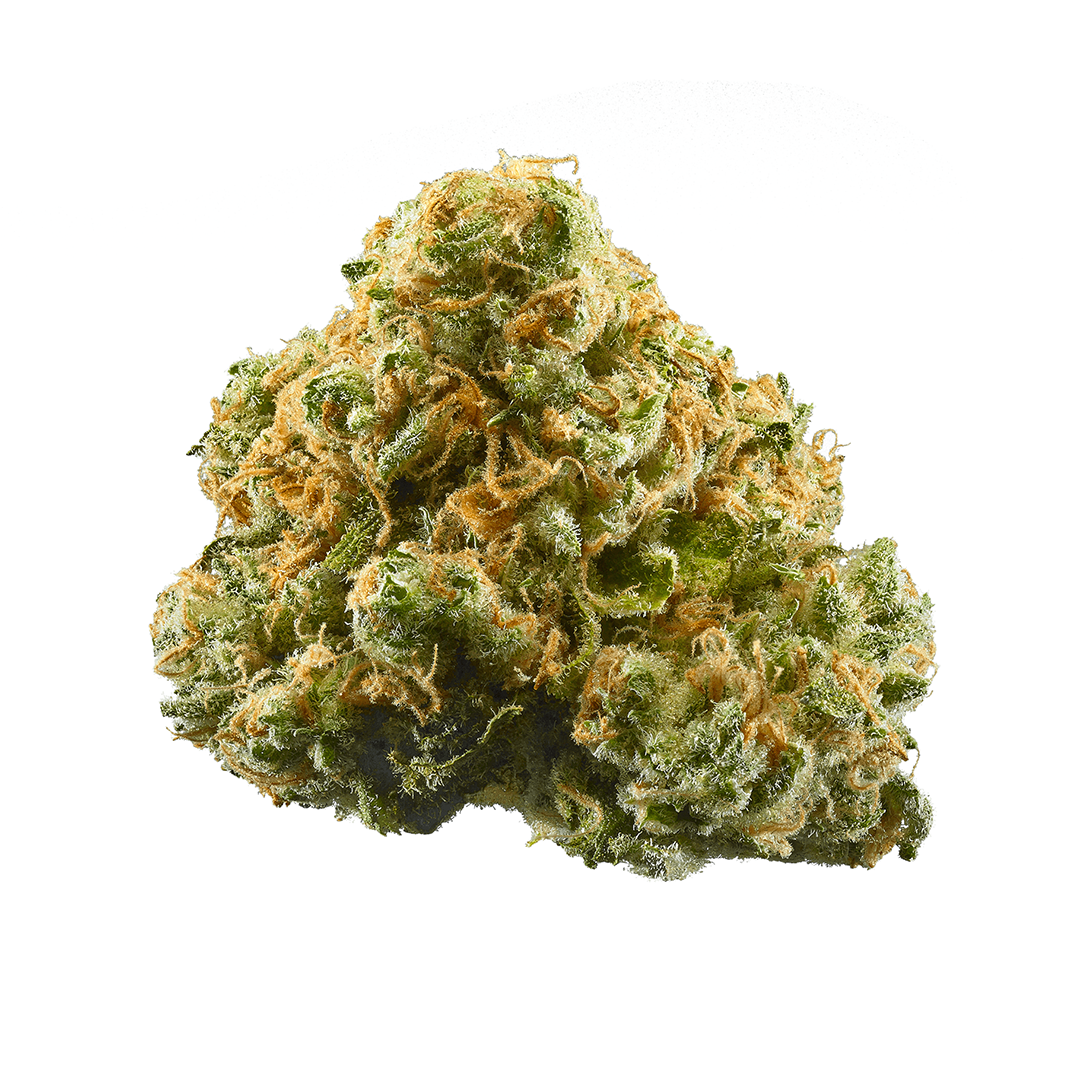
¶ Overview
ACDC stands as one of the most significant high-CBD cannabis strains ever developed, carrying a CBD-to-THC ratio of approximately 20:1. Named after the Australian hard rock band, this remarkable phenotype was developed by Lawrence Ringo of Southern Humboldt Seed Collective in Northern California. Ringo, a pioneering cannabis breeder and medical cannabis advocate, spent years selecting and stabilizing high-CBD phenotypes from Cannatonic seeds before ACDC emerged as the standout cultivar.
The strain traces its genetic roots to Cannatonic, a CBD-rich hybrid bred by Resin Seeds in Barcelona, Spain from MK Ultra x G13 Haze. Through careful phenotypic selection, Dr. William Courtkey and Lawrence Ringo identified the ACDC phenotype and stabilized its consistently high-CBD expression. This work took place during the early 2010s, a period when the therapeutic potential of CBD was only beginning to gain widespread recognition in the medical cannabis community.
ACDC has become a cornerstone strain in the medical cannabis movement, particularly for patients seeking relief from seizures, chronic pain, anxiety, and inflammation without the psychoactive effects associated with high-THC cultivars. Its development helped pave the way for the broader acceptance of CBD-rich cannabis in both medical and regulatory contexts.
¶ Quick Stats
| Attribute | Value |
|---|---|
| Type | Hybrid |
| THC % | 0.3-6% |
| CBD % | 15-24% |
| Dominant Terpenes | Myrcene, Caryophyllene, Pinene |
| Flowering Time | 56-70 days |
| Yield | 350-450 g/m² indoor |
| Growing Difficulty | Easy to Moderate |
¶ Genetics & Lineage
ACDC is a high-CBD phenotype of Cannatonic, which was bred by Resin Seeds in Barcelona, Spain from MK Ultra x G13 Haze.
- Cannatonic -- A CBD-rich hybrid (MK Ultra x G13 Haze) bred by Resin Seeds, Barcelona
- Phenotype selection -- ACDC was selected from Cannatonic seeds by Dr. William Courtkey and stabilized by Lawrence Ringo of Southern Humboldt Seed Collective
Parent lineage: Cannatonic phenotype (MK Ultra x G13 Haze)
The discovery and stabilization of ACDC exemplifies the power of phenotype hunting in cannabis breeding. From a batch of Cannatonic seeds, Ringo and Courtkey identified individual plants expressing dramatically different cannabinoid profiles. ACDC emerged as the phenotype with the most consistently high CBD expression and the lowest THC levels, achieving a ratio that few other cultivars could match at the time. Lawrence Ringo's work on ACDC and other high-CBD strains has been widely credited with advancing the cause of medical cannabis access and education across the United States and beyond.
¶ Cannabinoid Profile
| Cannabinoid | Typical Range |
|---|---|
| THC (Total) | 0.3-6% |
| CBD | 15-24% |
| CBG | 0.5-1.0% |
| CBN | <0.5% (increases with age) |
ACDC's cannabinoid profile is dominated by CBD, which typically comprises 15-24% of the total cannabinoid content, while THC remains at minimal levels of 0.3-6%. This extraordinary 20:1 ratio means that CBD strongly modulates and counteracts any potential psychoactive effects of THC, producing a clear-headed, functional experience that is well-suited for daytime use. The presence of CBG at modest levels adds to the entourage effect, potentially contributing anti-inflammatory and neuroprotective properties. This profile makes ACDC one of the most therapeutically accessible strains for patients who need cannabis medicine but must remain fully functional throughout the day.
¶ Terpene Profile
| Terpene | Approximate Share | Notes |
|---|---|---|
| Myrcene | 0.3-0.8% | Earthy, herbal base; most abundant |
| Caryophyllene | 0.2-0.5% | Spicy, peppery notes |
| Pinene | 0.1-0.4% | Pine, fresh undertones |
| Limonene | 0.1-0.3% | Citrus highlights |
| Humulene | 0.05-0.2% | Earthy, hoppy character |
ACDC's terpene profile is anchored by myrcene, which provides an earthy and herbal foundation that is characteristic of many Cannatonic-derived phenotypes. Caryophyllene adds a distinctive spicy and peppery dimension while also acting as a cannabinoid in its own right, binding to CB2 receptors to contribute anti-inflammatory effects. Pinene brings fresh, pine-like undertones that lift the overall aroma, while limonene and humulene round out the profile with subtle citrus and hoppy notes. Together, these terpenes create a pleasant, approachable sensory experience that is far milder than the pungent profiles of many high-THC cultivars.
¶ Effects & Experience
ACDC is commonly reported to produce:
- Calm focus -- A clear-headed sense of calm without sedation
- Pain relief -- Significant pain reduction without intoxication
- Anxiety reduction -- CBD's anxiolytic properties reduce stress without cognitive impairment
- Physical comfort -- Body tension and inflammation reduction
Onset: Effects begin within minutes when smoked or vaporized; 30-90 minutes when consumed orally.
Duration: 2-3 hours for inhaled consumption; 4-6 hours for oral consumption.
Intensity: Minimal to mild. The high CBD content and very low THC produce virtually no intoxicating effects, making it suitable for daytime use.
⚠️ Effects are self-reported and vary by individual, dose, tolerance, and consumption method. Not a prediction of any individual's experience.
¶ Aroma & Flavor
- Smell: Earthy and herbal with subtle pine and citrus undertones. The aroma is mild and pleasant, without the heavy skunk or fuel notes common in high-THC strains.
- Taste: Earthy and herbal with mild pine and citrus notes on the exhale. Smooth and unobtrusive, making it one of the most palatable strains for medical users.
¶ Medical Uses
Not Medical Advice -- The following lists commonly reported therapeutic applications. This does not constitute medical advice. Consult a healthcare professional before using cannabis therapeutically.
Commonly reported uses include:
- Seizure management -- One of the most widely used high-CBD strains for epilepsy and seizure disorders
- Chronic pain -- Significant pain relief without intoxication
- Anxiety and stress -- CBD's anxiolytic properties without the paradoxical anxiety that high THC can cause
- Inflammation -- Anti-inflammatory properties for arthritis, autoimmune conditions, and general inflammation
- Cancer adjunct -- Commonly used alongside conventional cancer treatment for symptom management
¶ Adverse Effects
Commonly reported adverse effects:
- Dry mouth
- Dry eyes
- Mild dizziness (rare, usually at high doses)
- Headache (uncommon)
¶ Growing Information
| Attribute | Details |
|---|---|
| Difficulty | Easy to Moderate -- more forgiving than most high-THC cultivars |
| Flowering Time | 56-70 days (indoor) |
| Yield | 350-450 g/m² indoor; 400-450 g/plant outdoor |
| Plant Height | 3-4 feet -- compact and bushy |
| Preferred Environment | Indoor or outdoor; prefers warm, dry, Mediterranean-like climate |
| Resistance | Moderate resistance to mold and pests. The compact structure and easy-growing nature make it accessible to beginners. Responds well to topping and LST. |
ACDC is one of the most beginner-friendly strains in the database. Its compact 3-4 foot height, moderate yield, and forgiving nature make it accessible to new growers. Outdoor harvest in the Northern Hemisphere typically falls in early to mid-October.
¶ Awards & Recognition
- ACDC is one of the most recognized high-CBD strains in the cannabis industry
- Lawrence Ringo, who developed and stabilized ACDC, is widely credited as a pioneer of high-CBD cannabis breeding
- The strain has been featured prominently in medical cannabis advocacy and education
- Featured in numerous CBD-focused breeding competitions
¶ Similar Strains
- Cannatonic -- Parent strain; similar CBD-rich profile with more variable ratios
- Harlequin -- Another high-CBD strain with a 5:2 CBD:THC ratio
- Charlotte's Web -- Ultra-low-THC, high-CBD strain famous for seizure management
- Ringo's Gift -- Another Ringo development, CBD-rich with THC modulation