¶ Cherry Gas
¶ Overview
Cherry Gas is an indica-dominant cultivar created by crossing Cherry Pie with fuel-forward gas genetics. This cross merges the sweet, cherry-like character of Cherry Pie (Granddaddy Purple x Durban Poison) with the pungent, diesel-heavy punch of modern gas cultivars to produce a strain that delivers an initial wave of euphoria before settling into deep, body-heavy relaxation.
¶ Quick Stats
| Attribute | Value |
|---|---|
| Type | Indica-Dominant Hybrid |
| THC % | 19-24% |
| CBD % | <1% |
| Dominant Terpenes | Caryophyllene, Myrcene, Limonene |
| Flowering Time | 55-65 days |
| Yield | Moderate (300-400 g/m² indoor) |
| Growing Difficulty | Moderate to difficult |
¶ Genetics & Lineage
Cherry Gas is a two-way cross between two distinctly characterized genetics:
- Cherry Pie -- An indica-dominant hybrid created by crossing Granddaddy Purple with Durban Poison. Known for its sweet, cherry-like aroma with earthy undertones and balanced effects that transition from mental clarity to body relaxation. Cherry Pie has established itself as a recognizable cultivar that bridges the sweet berry profile of GDP with a subtle sativa lift from its Durban Poison heritage.
- Gas (Fuel-Forward Genetics) -- The "Gas" parent refers to a fuel-forward indica variety known for its pungent, diesel-like terpene profile and heavy body effects. Gas genetics are highly valued in modern breeding for their ability to produce potent, resinous flowers with an unmistakable fuel aroma that appeals to connoisseurs.
Parent lineage: Cherry Pie x Gas (fuel-forward genetics)
This cross was designed to combine the sweet cherry character of Cherry Pie with the raw diesel potency of gas genetics. The Cherry Pie parent contributes its fruity sweetness and initial cerebral lift, while the gas parent anchors the experience with heavy body relaxation and a pungent fuel undertone.
¶ Cannabinoid Profile
| Cannabinoid | Typical Range |
|---|---|
| THC (Total) | 19-24% |
| CBD | <1% (typically 0.1-0.3%) |
| CBG | 0.5-1.2% |
| CBN | <0.5% (increases with age) |
Cherry Gas sits in the moderate-to-high THC range, providing substantial potency that is approachable for users with some cannabis experience while still delivering meaningful intensity for regular consumers.
¶ Terpene Profile
| Terpene | Approximate Share | Notes |
|---|---|---|
| Caryophyllene | 30-45% | Dominant terpene; fuel, spicy, and peppery notes from the gas parent |
| Myrcene | 25-35% | Earthy, herbal base; primary driver of the body-heavy effects |
| Limonene | 10-18% | Citrus sweetness that enhances the cherry character from Cherry Pie |
| Humulene | 3-8% | Earthy, woody undertones adding depth |
| Linalool | 2-5% | Floral sweetness that complements the cherry profile |
The caryophyllene-myrcene foundation carries the fuel-earth weight from the gas genetics, while limonene and linalool contribute the cherry-sweet top notes inherited from Cherry Pie that give this strain its distinctive dual character.
¶ Effects & Experience
Cherry Gas is widely reported to produce:
- Euphoria -- An initial mental uplift and pleasant cerebral buzz that arrives within minutes of consumption, driven by the Cherry Pie inheritance
- Heavy body relaxation -- A deep, full-body sensation that follows the initial euphoria, relaxing muscles and easing physical tension
- Progressive sedation -- As the experience matures, the body-heavy effects intensify, typically leading to a calm, restful state best suited for evening use
- Stress relief -- Commonly reported reduction in mental tension as the body effects settle in
Onset: Effects typically begin within minutes when smoked or vaporized; 30-90 minutes when consumed orally.
Duration: 2-3 hours for inhaled consumption; 4-8 hours for oral consumption.
Intensity: Moderate to strong. The THC range and the two-phase effect pattern (euphoria followed by body heaviness) make Cherry Gas well-suited for evening use by users with some cannabis experience.
⚠️ Effects are self-reported and vary by individual, dose, tolerance, and consumption method. Not a prediction of any individual's experience.
¶ Aroma & Flavor
Cherry Gas presents a distinctive cherry-and-fuel sensory profile:
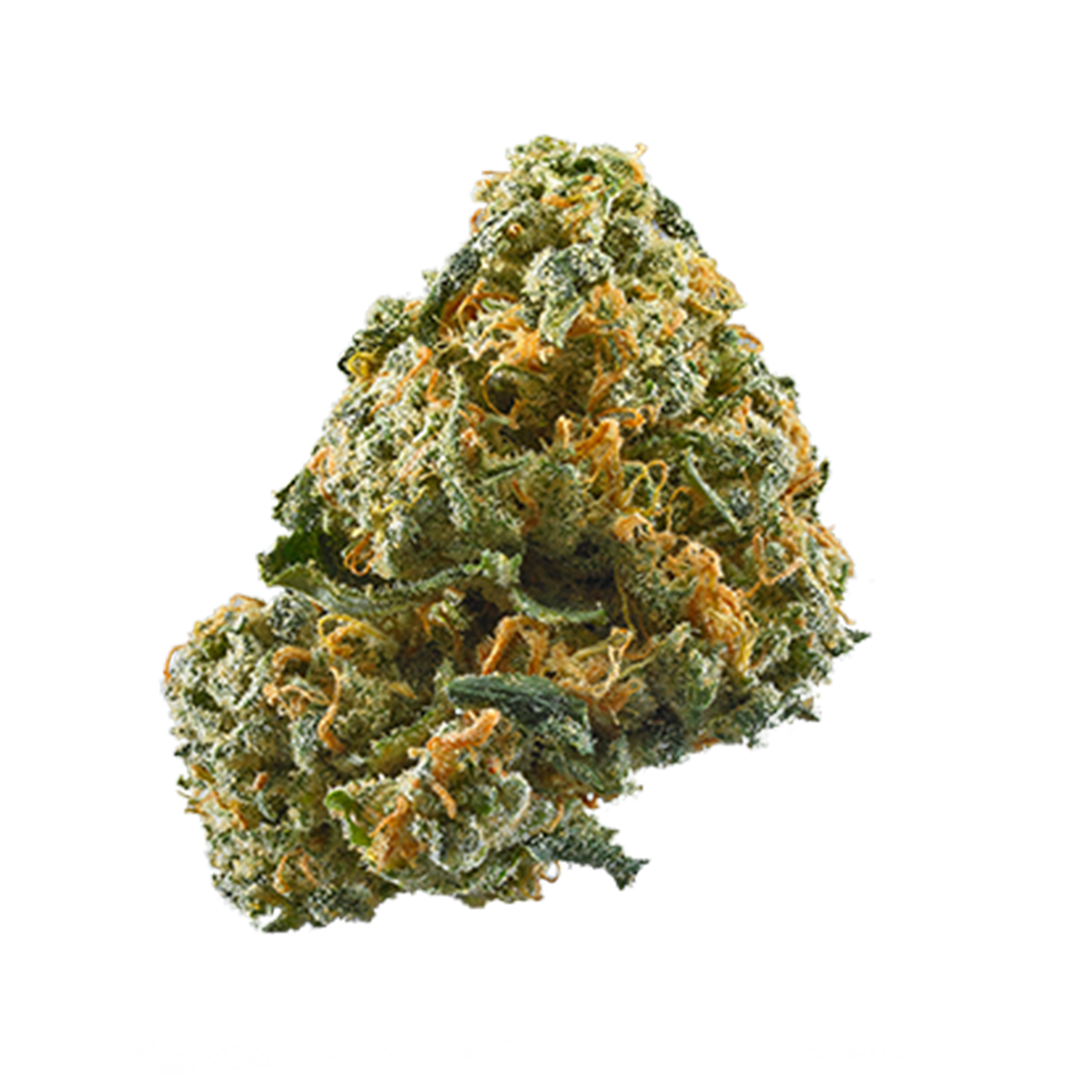
- Smell: Pronounced cherry and sweet aromas with prominent fuel undertones. The Cherry Pie genetics contribute their recognizable cherry character, while the gas parent adds a pungent, diesel-like depth. The cured buds carry a rich, layered aroma that is simultaneously sweet and industrial -- a striking contrast that defines the strain's identity.
- Taste: Cherry and sweet flavors on inhalation, with fuel and earthy notes on the exhale. The flavor is bold and complex, with limonene adding citrus brightness that bridges the cherry sweetness with the fuel depth. The finish carries a pungent warmth that is characteristic of gas-forward genetics.
¶ Medical Usesdanger
Not Medical Advice -- The following lists commonly reported therapeutic applications. This does not constitute medical advice. Consult a healthcare professional before using cannabis therapeutically.
Commonly reported uses include:
- Pain management -- Deep body relaxation is commonly cited for relief from chronic pain, muscle tension, and physical discomfort
- Stress and anxiety reduction -- The initial euphoria followed by calming body effects is reported to ease both mental and physical tension
- Sleep support -- The progressive sedation makes Cherry Gas a choice for individuals dealing with insomnia
- Appetite stimulation -- The THC-dominant profile is reported to increase appetite
¶ Adverse Effects
Commonly reported adverse effects:
- Dry mouth
- Dry eyes
- Drowsiness (undesirable for daytime use)
- Dizziness at higher doses
- Potential couch-lock at moderate to high doses
- Anxiety or paranoia possible in THC-sensitive individuals
¶ Growing Information
| Attribute | Details |
|---|---|
| Difficulty | Moderate to difficult -- requires experience with gas genetics which can be finicky, and careful environment control |
| Flowering Time | 55-65 days (indoor) |
| Yield | 300-400 g/m² indoor; 350-450 g/plant outdoor |
| Plant Height | Medium -- compact indica-dominant structure with moderate stretch during early flower |
| Preferred Environment | Indoor preferred for optimal terpene expression and yield consistency. Gas genetics often require precise environmental parameters. |
| Resistance | Moderate resistance to mold and pests. Dense, resinous buds require excellent air circulation to prevent bud rot. Gas genetics can be sensitive to nutrient fluctuations and environmental stress. |
Cherry Gas benefits from attentive growing practices. The gas parent genetics often require precise environmental control, making indoor cultivation the preferred approach. The strain responds well to topping and low-stress training to manage its compact structure and improve light distribution. Consistent nutrient management is important, as gas genetics can be sensitive to overfeeding. The heavy resin production makes this strain well-suited for hash and extraction work. Outdoor harvest in the Northern Hemisphere typically falls in early to mid-October.
¶ Awards & Recognition
- Cherry Pie, the documented parent, has gained recognition in indica-dominant markets for its distinctive cherry profile
- Gas genetics have become highly valued in the modern craft breeding scene
- Granddaddy Purple, the grandparent via Cherry Pie, remains one of the most recognized berry-profiled strains
¶ Similar Strains
- Cherry Pie -- Direct parent lineage with comparable cherry sweetness
- Granddaddy Purple -- Grandparent lineage with similar berry sweetness
- Black Diamond -- Comparable berry-forward indica with heavy sedation
- Rocket Fuel -- Similar fuel-forward profile and body-heavy effects
Back to Strain Database | Indica Strains | Strain Template Guide