¶ Vortex
¶ Overview
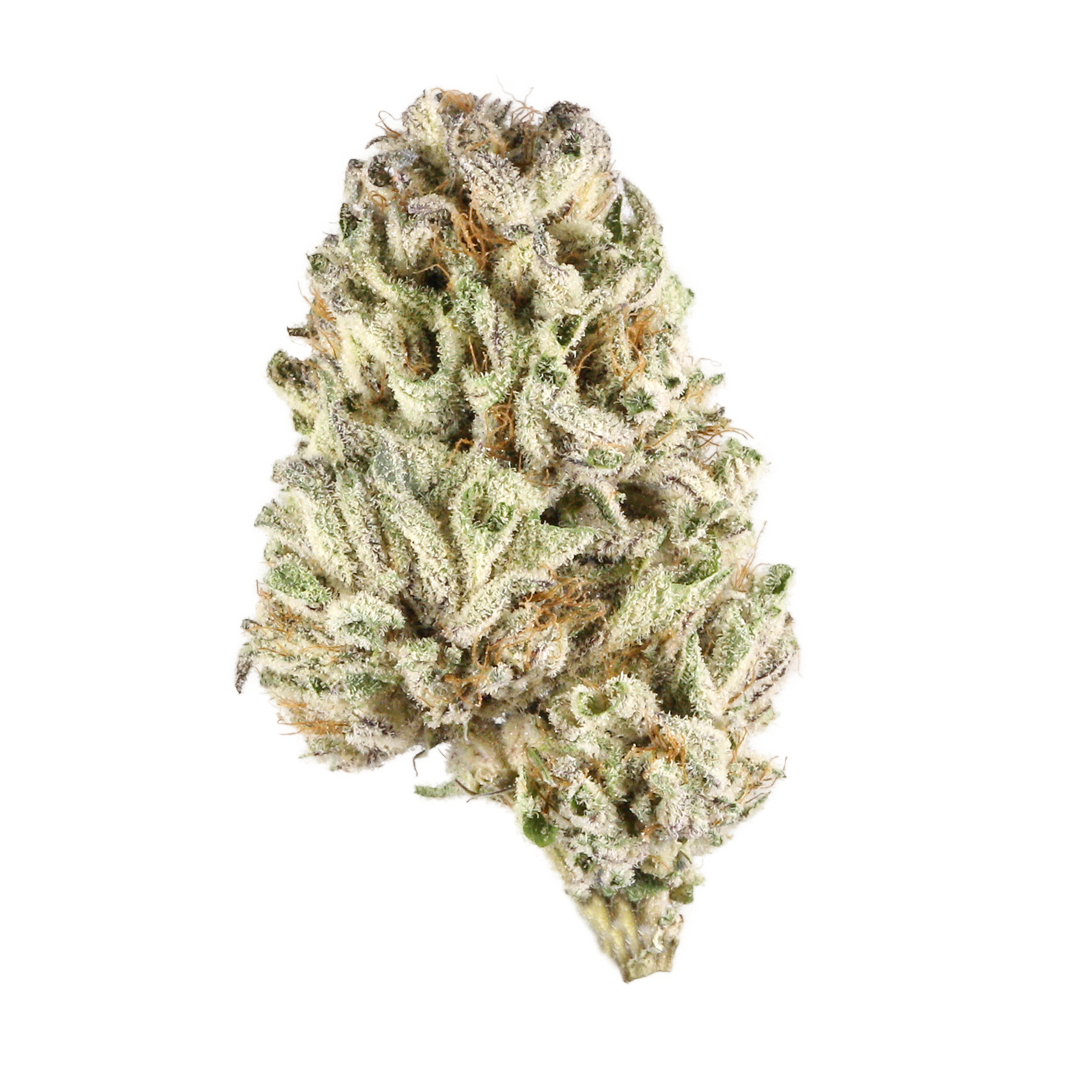
Vortex is an indica-dominant cultivar of unknown or undocumented genetics. Despite its uncertain lineage, this strain has earned a reputation among indica enthusiasts for its balanced body relaxation effects and a distinctive sweet, earthy, and fruity terpene profile. The name "Vortex" is thought to reference the strain's ability to draw users into a comfortable, spiraling sense of relaxation that builds gradually. Vortex represents the kind of underground cannabis genetics that persist through clone distribution networks rather than commercial seed lines, maintained over generations because of their reliable effects and appealing terpene profile.
¶ Quick Stats
| Attribute | Value |
|---|---|
| Type | Indica-Dominant Hybrid |
| THC % | 16-21% |
| CBD % | <1% |
| Dominant Terpenes | Myrcene, Terpinolene, Caryophyllene |
| Flowering Time | 55-65 days |
| Yield | Moderate (350-450 g/m² indoor) |
| Growing Difficulty | Moderate |
¶ Genetics & Lineage
The exact genetics of Vortex are undocumented. The strain is believed to descend from indica-dominant genetics, possibly with Afghani or fruit-forward hybrid influence given its effect profile, sweet terpene character, and flowering characteristics. It persists primarily through clone distribution networks rather than commercial seed lines.
Parent lineage: Unknown indica-dominant genetics
Phenotypic expression suggests indica-dominant characteristics: compact plant structure, dense bud formation, and a myrcene-terpinolene terpene profile that combines the earthy, sedating qualities of myrcene with the fresh, slightly fruity character of terpinolene. The strain's persistence through clone networks indicates it has been valued for its effects over multiple growing cycles.
¶ Cannabinoid Profile
| Cannabinoid | Typical Range |
|---|---|
| THC (Total) | 16-21% |
| CBD | <1% (typically 0.1-0.3%) |
| CBG | 0.5-1.0% |
| CBN | <0.5% (increases with age) |
Vortex occupies the moderate THC range, providing approachable potency that is accessible to a wide range of users.
¶ Terpene Profile
| Terpene | Approximate Share | Notes |
|---|---|---|
| Myrcene | 30-50% | Dominant terpene; earthy, herbal base associated with body relaxation |
| Terpinolene | 15-25% | Fresh, slightly fruity character adding brightness to the profile |
| Caryophyllene | 10-18% | Peppery, spicy notes adding depth and complexity |
| Limonene | 5-10% | Citrus accents enhancing the fruity character |
| Linalool | 2-5% | Floral notes enhancing the overall aromatic complexity |
The myrcene-terpinolene-caryophyllene combination produces Vortex's signature sweet, earthy, and fruity aroma -- a profile that balances the heavy indica character of myrcene with the fresh, uplifting quality of terpinolene.
¶ Effects & Experience
Vortex is widely reported to produce:
- Balanced body relaxation -- A comfortable, full-body sensation that relaxes muscles without overwhelming sedation at moderate doses
- Mild euphoria -- A pleasant mental lift that accompanies the body effects
- Stress relief -- Commonly reported reduction in mental and physical tension
- Gradual sedation -- At higher doses, drowsiness that makes this strain suited to evening use
Onset: Effects typically begin within minutes when smoked or vaporized; 30-90 minutes when consumed orally.
Duration: 2-3 hours for inhaled consumption; 4-6 hours for oral consumption.
Intensity: Moderate. Vortex is accessible to less experienced users due to its moderate THC range and balanced effect profile.
⚠️ Effects are self-reported and vary by individual, dose, tolerance, and consumption method. Not a prediction of any individual's experience.
¶ Aroma & Flavor
Vortex presents a sweet, fruit-forward sensory profile:
- Smell: Sweet and earthy with fruity undertones. The myrcene-dominant profile gives it a musky, herbal base, while terpinolene adds a fresh, slightly fruity character that lifts the heavier earthy notes. The overall aroma is sweet and recognizable, with a fruity quality that is appealing without being overpowering.
- Taste: Sweet and fruity on inhalation, with earthy and slightly peppery notes on the exhale. The flavor is smooth and palatable, making it popular among users who appreciate fruity indica profiles with underlying earthy depth.
¶ Medical Usesdanger
Not Medical Advice -- The following lists commonly reported therapeutic applications. This does not constitute medical advice. Consult a healthcare professional before using cannabis therapeutically.
Commonly reported uses include:
- Pain management -- Physical relaxation is commonly cited for relief from chronic pain, muscle tension, and spasms
- Stress reduction -- The calming body effect is reported to help with stress-related tension
- Insomnia and sleep support -- The sedating quality at higher doses makes it suitable for evening sleep support
- Appetite stimulation -- THC-dominant profile is associated with increased appetite
¶ Adverse Effects
Commonly reported adverse effects:
- Dry mouth (cottonmouth)
- Dry eyes
- Drowsiness (may be undesirable during daytime hours at higher doses)
- Dizziness at higher doses
- Potential couch-lock at higher doses
- Anxiety or paranoia possible at high doses, though less commonly reported than with sativa-dominant strains
¶ Growing Information
| Attribute | Details |
|---|---|
| Difficulty | Moderate -- unknown genetics mean phenotypic expression can vary between cuts |
| Flowering Time | 55-65 days (indoor) |
| Yield | 350-450 g/m² indoor; 400-500 g/plant outdoor |
| Plant Height | Medium -- stretches moderately during early flower; indica-dominant structure |
| Preferred Environment | Indoor or outdoor; prefers a warm, dry climate with good air circulation |
| Resistance | Moderate resistance to mold and pests. Dense buds require adequate airflow to prevent bud rot in high-humidity environments. |
Vortex is moderately challenging to grow. Without documented genetics, growers should expect some phenotypic variation between different cuts of the strain. The compact indica-dominant structure and moderate flowering time are consistent with indica-dominant genetics. Outdoor harvest in the Northern Hemisphere typically falls in early to mid-October.
¶ Awards & Recognition
- No widely recognized Cannabis Cup wins on record for Vortex
- The strain maintains a following in underground cannabis communities
- Its persistence through clone networks indicates sustained demand among experienced indica users
¶ Similar Strains
- Sherbet -- Comparable sweet, fruity indica-dominant profile
- Runtz -- Shares sweet, candy-like terpene character
- Blueberry -- Similar fruity sweetness and indica effects
- The White -- Comparable balanced indica relaxation
Back to Strain Database | Indica Strains | Strain Template Guide