¶ Durban Poison
¶ Overview
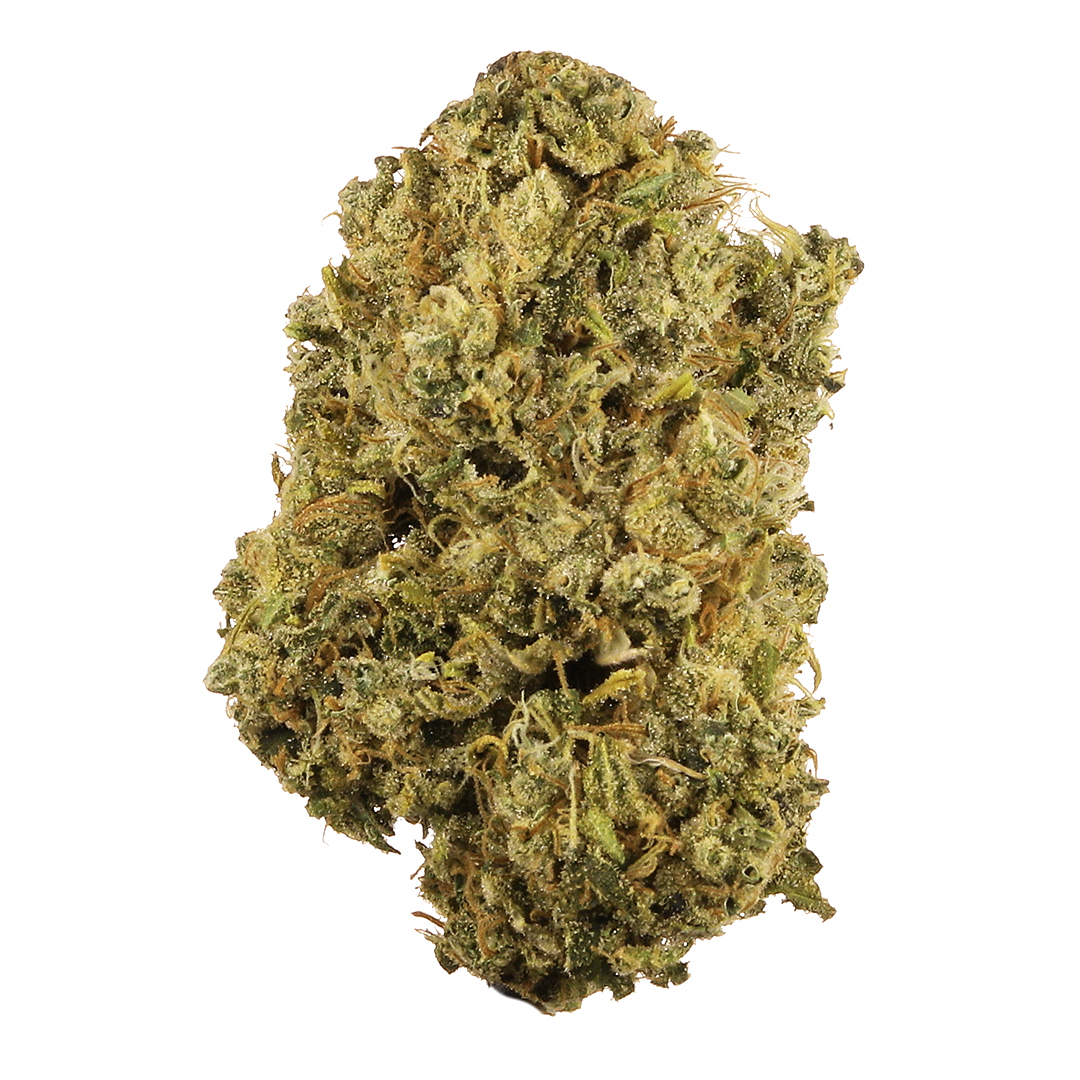
Durban Poison is a pure sativa landrace cultivar originating from the port city of Durban in South Africa. It is one of the most famous and widely available landrace strains in the world, celebrated for its clean, energizing effects, sweet anise-and-licorice aroma, and distinctive terpinolene-dominant terpene profile. Often called the "coffee of cannabis" due to its ability to promote energy and focus, Durban Poison has become a staple daytime strain and a foundational genetics in sativa breeding. Its pure landrace status means it represents cannabis genetics in a form largely shaped by natural selection rather than human-directed breeding.
¶ Quick Stats
| Attribute | Value |
|---|---|
| Type | Sativa |
| THC % | 15-25% |
| CBD % | <1% |
| Dominant Terpenes | Terpinolene, Ocimene |
| Flowering Time | 55-65 days (notably short for a pure sativa) |
| Yield | Moderate (350-450 g/m² indoor) |
| Growing Difficulty | Moderate |
¶ Genetics & Lineage
Durban Poison is a landrace strain -- a naturally occurring cannabis population that adapted to the specific subtropical climate of the Durban region in South Africa's KwaZulu-Natal province.
Parent lineage: Pure landrace -- no intentional crossbreeding
The strain was brought to the United States and the Netherlands in the 1970s and 1980s, where it was recognized for its unique terpene profile and pure sativa genetics. Durban Poison has been used extensively in breeding, contributing to popular hybrids such as Girl Scout Cookies (OG Kush x Durban Poison), Cherry Pie, and numerous "Poison" and "Durban" crosses. Its relatively short flowering time for a pure sativa (55-65 days) has made it particularly valuable in breeding programs seeking to reduce flower times in sativa-dominant hybrids.
¶ Cannabinoid Profile
| Cannabinoid | Typical Range |
|---|---|
| THC (Total) | 15-25% |
| CBD | <1% (typically 0.1-0.3%) |
| CBG | 1.0-2.0% |
| CBN | <0.5% (increases with age) |
Durban Poison has a broad THC range reflecting variability between different seed selections and phenotype expressions. The CBG content is often higher than in many indica strains, which is characteristic of some sativa landraces.
¶ Terpene Profile
| Terpene | Approximate Share | Notes |
|---|---|---|
| Terpinolene | 30-50% | Dominant terpene; floral, herbal, citrus aroma associated with energizing effects |
| Ocimene | 15-25% | Sweet, herbal, citrus notes that complement terpinolene |
| Caryophyllene | 5-10% | Subtle spicy depth |
| Myrcene | 3-8% | Lower than typical indica strains, consistent with the energizing effect profile |
| Pinene | 2-5% | Faint pine undertones |
The terpinolene-ocimene dominance is what distinguishes Durban Poison from most other strains and is closely associated with its clear, energizing, and creativity-promoting effects.
¶ Effects & Experience
Durban Poison is widely reported to produce:
- Energy and alertness -- A clean, stimulating effect that is often compared to caffeine, hence the "coffee of cannabis" nickname
- Creativity and focus -- Enhanced mental clarity and creative thinking, making it popular among artists and professionals
- Uplifting euphoria -- A bright, cheerful mood lift without the heavy body effects of indica strains
- Sociability -- Increased talkativeness and social engagement
Onset: Effects begin within minutes when smoked or vaporized; 30-90 minutes when consumed orally.
Duration: 2-4 hours for inhaled consumption; 4-8 hours for oral consumption.
Intensity: Moderate to strong. The effects are clear-headed and functional rather than overwhelming, making Durban Poison well-suited to daytime use.
⚠️ Effects are self-reported and vary by individual, dose, tolerance, and consumption method. Not a prediction of any individual's experience.
¶ Aroma & Flavor
- Smell: Sweet anise and licorice with earthy and citrus undertones. The terpinolene-dominant profile gives it a distinctive, recognizable aroma that is sweet but not fruity -- more herbal and spice-like.
- Taste: Sweet anise and licorice on the inhale, with earthy and slightly piney notes on the exhale. The flavor is clean and smooth, with a pleasant sweetness that lingers.
¶ Medical Usesdanger
Not Medical Advice -- The following lists commonly reported therapeutic applications. This does not constitute medical advice. Consult a healthcare professional before using cannabis therapeutically.
Commonly reported uses include:
- Fatigue and low energy -- The energizing quality is commonly cited as a daytime alternative to sedating strains
- Depression and low mood -- The uplifting, cheerful effect is frequently reported for mood elevation
- Focus and ADHD symptoms -- Some users report improved focus and mental clarity, though research is limited
- Nausea and appetite loss -- Commonly used to address nausea while maintaining daytime functionality
- Pain management -- Reported to provide mild pain relief without sedation, allowing daytime functionality
¶ Adverse Effects
Commonly reported adverse effects:
- Dry mouth
- Dry eyes
- Anxiety or jitteriness at higher doses, particularly in users sensitive to energizing strains
- Increased heart rate
- Paranoia possible at high doses
- Difficulty sleeping if used late in the day
¶ Growing Information
| Attribute | Details |
|---|---|
| Difficulty | Moderate -- requires some experience with sativa characteristics |
| Flowering Time | 55-65 days (indoor) -- remarkably short for a pure sativa |
| Yield | 350-450 g/m² indoor; 500+ g/plant outdoor |
| Plant Height | Tall -- sativa stretch is significant; training and height management are important indoors |
| Preferred Environment | Indoor or outdoor; prefers warm, sunny conditions. Can tolerate some humidity. |
| Resistance | Good resistance to mold and pests. The plant is vigorous and healthy. Height management is the primary growing challenge indoors. |
Durban Poison is moderately challenging to grow primarily because of its sativa height characteristics. The plant stretches significantly during early flowering, requiring training techniques (topping, LST, SCROG) to manage height indoors. The surprisingly short flowering time (55-65 days for a pure sativa) is one of its most valuable traits. Outdoor harvest in the Northern Hemisphere typically falls in late September to early October. The plant can grow quite large outdoors in warm climates.
¶ Awards & Recognition
- Durban Poison has been widely recognized in cannabis culture as one of the most important pure sativa landraces available
- Its genetics have been incorporated into numerous award-winning hybrids
- The strain is frequently listed among top sativa choices in cannabis publications
- Dutch seed banks have offered Durban Poison since the 1980s, making it one of the longest-established commercial landrace strains
¶ Similar Strains
- Green Crack -- Similar energizing sativa effects
- Jack Herer -- Comparable creative, uplifting daytime sativa
- Super Silver Haze -- Similar energizing sativa with Haze genetics
- Girl Scout Cookies -- Contains Durban Poison genetics
Back to Strain Database | Sativa Strains | Strain Template Guide