¶ Dutch Dragon
¶ Overview
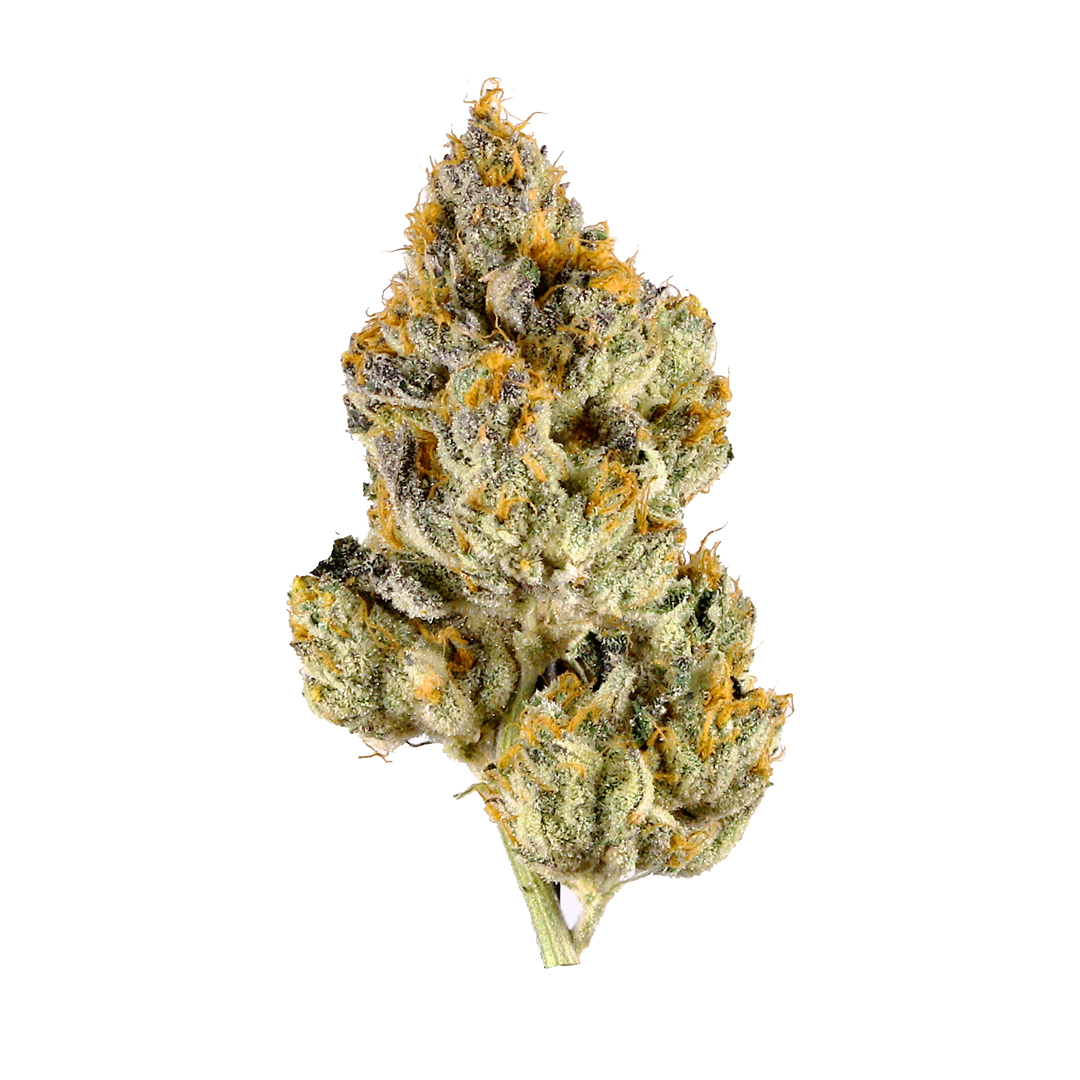
Dutch Dragon is a sativa-dominant hybrid with unknown genetics believed to have originated in Northern Europe, likely within the Netherlands' prolific cannabis breeding community. The strain delivers THC levels in the 16-21% range with a terpene profile dominated by terpinolene, caryophyllene, and pinene, producing a distinctive pine, earthy, and spicy aroma that connects to classic European sativa breeding traditions. Dutch Dragon is valued for its energetic and creative effects, its moderate accessibility, and the mystery surrounding its origins, which has contributed to its reputation as a cultivar that represents the pioneering spirit of Northern European cannabis breeding.
¶ Quick Stats
| Attribute | Value |
|---|---|
| Type | Sativa-Dominant Hybrid |
| THC % | 16-21% |
| CBD % | <1% |
| Dominant Terpenes | Terpinolene, Caryophyllene, Pinene |
| Flowering Time | 55-65 days |
| Yield | Moderate (350-450 g/m² indoor) |
| Growing Difficulty | Moderate |
¶ Genetics & Lineage
The exact genetic origins of Dutch Dragon are not documented:
- Unknown Northern European genetics -- The strain is widely believed to have originated in the Netherlands or surrounding Northern European countries during the expansion of the region's prolific cannabis breeding industry. Dutch breeders and seed companies have produced countless sativa-dominant cultivars using combinations of Haze, Skunk, and Northern Lights genetics, and Dutch Dragon likely descends from this breeding tradition
Parent lineage: Unknown (Northern European origin)
The lack of documented parentage adds an element of mystery to Dutch Dragon's profile. Based on its effects, aroma, and flowering characteristics, genetic analysis of the terpene profile and cannabinoid ratios suggests a lineage likely involving Haze, Skunk, or classic Dutch sativa-dominant hybrids. The strain represents the broader tradition of Northern European cannabis breeding that has produced many of the world's most influential sativa-dominant cultivars.
¶ Cannabinoid Profile
| Cannabinoid | Typical Range |
|---|---|
| THC (Total) | 16-21% |
| CBD | <1% (typically 0.1-0.3%) |
| CBG | 0.4-1.1% |
| CBN | <0.5% (increases with age) |
Dutch Dragon sits in the moderate to upper-moderate THC range, delivering accessible potency with a clear-headed, creative sativa-dominant effect.
¶ Terpene Profile
| Terpene | Approximate Share | Notes |
|---|---|---|
| Terpinolene | 25-35% | Primary terpene; floral, herbal character driving the creative sativa energy |
| Caryophyllene | 15-25% | Significant presence; spicy, peppery depth adding warmth and complexity |
| Pinene | 10-15% | Fresh pine aroma contributing alertness and brightness |
| Myrcene | 5-10% | Subtle herbal sweetness providing body |
| Humulene | 3-7% | Earthy, woody undertones connecting to the European breeding tradition |
The terpinolene-caryophyllene-pinene combination produces the distinctive pine, earthy, and spicy aroma that defines Dutch Dragon.
¶ Effects & Experience
Dutch Dragon is widely reported to produce:
- Creative stimulation -- A noticeable increase in imaginative thinking and artistic energy, making it suitable for creative pursuits and brainstorming
- Energy and alertness -- A sustained uplift in wakefulness suitable for daytime use
- Elevated mood -- A cheerful, positive elevation that promotes optimism
- Mental clarity -- A clear-headed effect that allows for functional productivity
Onset: Effects begin within minutes when smoked or vaporized; 30-90 minutes when consumed orally.
Duration: 2-4 hours for inhaled consumption; 4-8 hours for oral consumption.
Intensity: Moderate. The effects are clear and functional, making Dutch Dragon suitable for extended daytime sessions.
⚠️ Effects are self-reported and vary by individual, dose, tolerance, and consumption method. Not a prediction of any individual's experience.
¶ Aroma & Flavor
- Smell: Pine-forward with earthy undertones and a spicy edge. The terpinolene contributes a subtle floral sweetness, while the pinene delivers a crisp, clean pine freshness that is immediately recognizable. The caryophyllene adds a peppery warmth that grounds the profile and prevents it from being one-dimensional.
- Taste: Pine and earth on the inhale, with spicy and slightly herbal notes on the exhale. The flavor is clean and classic, appealing to users who appreciate traditional pine-forward cannabis profiles.
¶ Medical Usesdanger
Not Medical Advice -- The following lists commonly reported therapeutic applications. This does not constitute medical advice. Consult a healthcare professional before using cannabis therapeutically.
Commonly reported uses include:
- Depression and low mood -- The uplifting, creative effect is frequently cited for mood elevation
- Fatigue -- The energizing quality provides sustained daytime functionality
- Creative block -- The imaginative stimulation is reported to help overcome mental stagnation
- Stress relief -- The clear-headed, functional effect is reported to reduce mental tension
- Mild pain management -- The caryophyllene and pinene content is reported to contribute to physical comfort
¶ Adverse Effects
Commonly reported adverse effects:
- Dry mouth
- Dry eyes
- Anxiety or restlessness at higher doses
- Increased heart rate
- Dizziness
- Difficulty sleeping if used late in the day
¶ Growing Information
| Attribute | Details |
|---|---|
| Difficulty | Moderate -- the sativa-dominant characteristics require standard management |
| Flowering Time | 55-65 days (indoor) -- reasonable for a sativa-dominant strain with unknown genetics |
| Yield | 350-450 g/m² indoor; 450+ g/plant outdoor |
| Plant Height | Medium to tall -- noticeable sativa stretch requiring height management |
| Preferred Environment | Indoor or outdoor; prefers warm conditions with good air circulation. The pine terpene profile is most pronounced in warm, dry conditions with consistent light exposure. |
| Resistance | Moderate resistance to mold and pests. The sativa-dominant structure provides good airflow through the canopy. Responds well to SCROG, topping, and LST techniques. |
Dutch Dragon is moderately challenging to grow. Its sativa-dominant characteristics require height management during the flowering stretch, and the unknown genetic background means individual phenotypes may vary. The flowering time of 55-65 days is reasonable for a sativa-dominant cultivar. Outdoor harvest in the Northern Hemisphere typically falls in early to mid-October. The pine and earthy aromas during growing are moderate and may require standard carbon filtration in indoor setups.
¶ Awards & Recognition
- Dutch Dragon has not won major Cannabis Cup awards as a documented entry
- The unknown genetic background means the strain's official recognition is limited
- The Northern European breeding tradition that likely produced Dutch Dragon has an extensive history of Cannabis Cup winners
- Dutch Dragon remains a cultivar appreciated by enthusiasts who value mystery genetics and classic European sativa breeding traditions
¶ Similar Strains
- Jack Herer -- Dutch-bred sativa with pine, creative energy
- Amnesia Haze -- European sativa with cerebral, uplifting effects
- Super Silver Haze -- Classic Dutch sativa with energetic profile
- Northern Lights Haze -- Similar Northern European sativa-dominant cross
Back to Strain Database | Sativa Strains | Strain Template Guide