¶ OG Kush
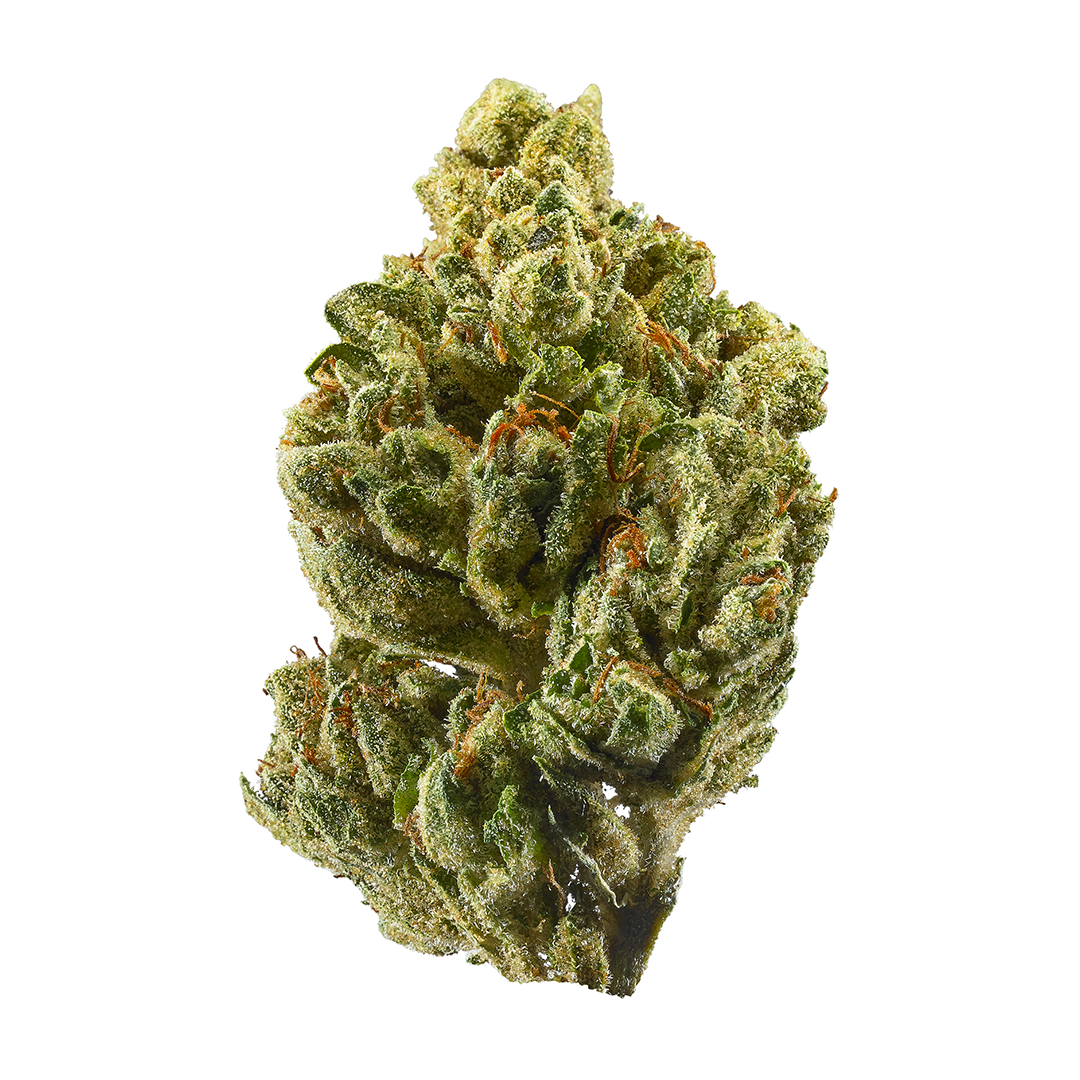
¶ Overview
OG Kush is a hybrid cultivar of debated genetic origins, widely understood to include Chemdawg, Hindu Kush, and Lemon Thai genetics. Originating in Santa Cruz, California, in the early 1990s, OG Kush has become the backbone of West Coast cannabis breeding and one of the most influential strains in modern cannabis history. Its fuel-earth-pine-skitnk aroma is instantly recognizable, and its relaxing yet euphoric effects have made it a staple for both recreational and medical users. OG Kush's genetics appear in hundreds of modern cultivars, including Girl Scout Cookies, Bubba Kush derivatives, the entire "Kush" family, and countless others.
¶ Quick Stats
| Attribute | Value |
|---|---|
| Type | Hybrid |
| THC % | 19-26% |
| CBD % | <1% |
| Dominant Terpenes | Myrcene, Limonene, Caryophyllene |
| Flowering Time | 55-60 days |
| Yield | Moderate (350-450 g/m² indoor) |
| Growing Difficulty | Moderate |
¶ Genetics & Lineage
The exact genetic origins of OG Kush are one of the most debated topics in cannabis history. The most widely accepted account describes OG Kush as a cross involving:
- Chemdawg -- The legendary strain originating from a bag of cannabis purchased at a Grateful Dead concert in 1991
- Hindu Kush -- The pure landrace indica from the Hindu Kush mountain range
- Lemon Thai -- A citrus-forward Thai landrace selection
Parent lineage: Chemdawg x Hindu Kush x Lemon Thai (exact proportions and breeding sequence uncertain)
OG Kush emerged in Santa Cruz, California, in the early 1990s. The name "OG" has multiple interpretations: "Original Gangster," "Ocean Grown," and others. What is certain is that OG Kush quickly became the defining strain of the West Coast cannabis scene and has since influenced breeding programs worldwide. The strain has been widely cloned and pheno-hunted, resulting in numerous phenotype selections (SFV OG, Tahoe OG, Fire OG, and many others).
¶ Cannabinoid Profile
| Cannabinoid | Typical Range |
|---|---|
| THC (Total) | 19-26% |
| CBD | <1% (typically 0.1-0.3%) |
| CBG | 0.5-1.5% |
| CBN | <0.5% (increases with age) |
OG Kush occupies the upper-moderate to high THC range, with significant variability between phenotypes. Some pheno-hunts (such as Fire OG) reach the upper end of the range, while others remain in the moderate range.
¶ Terpene Profile
| Terpene | Approximate Share | Notes |
|---|---|---|
| Myrcene | 25-40% | Primary terpene; earthy, herbal base |
| Limonene | 15-25% | Significant presence; citrus notes brightening the profile |
| Caryophyllene | 15-25% | Spicy, peppery depth contributing to the fuel character |
| Pinene | 3-8% | Pine undertones |
| Humulene | 3-8% | Earthy, hoppy accents |
| Linalool | 2-5% | Subtle floral notes |
The myrcene-limonene-caryophyllene combination produces OG Kush's distinctive fuel-earth-pine-skunk aroma that has become the signature scent of West Coast cannabis.
¶ Effects & Experience
OG Kush is widely reported to produce:
- Relaxation -- A deep, full-body physical relaxation that eases tension
- Euphoria -- A noticeable mental euphoria and mood lift that is cheerful and engaging
- Stress relief -- Commonly reported reduction in mental and physical stress
- Sociability -- Increased social comfort and engagement at moderate doses
- Progressive sedation -- At higher doses, drowsiness that leads toward sleep
Onset: Effects begin within minutes when smoked or vaporized; 30-90 minutes when consumed orally.
Duration: 2-3 hours for inhaled consumption; 4-6 hours for oral consumption.
Intensity: Moderate to strong. The effects are balanced between body and mind, making OG Kush versatile for different settings and times of day.
⚠️ Effects are self-reported and vary by individual, dose, tolerance, and consumption method. Not a prediction of any individual's experience.
¶ Aroma & Flavor
- Smell: Fuel, earthy, pine, and skunk with citrus undertones. The aroma is pungent, complex, and instantly recognizable as OG Kush. It is one of the most distinctive and copied aroma profiles in cannabis.
- Taste: Fuel and earthy on the inhale, with pine, skunk, and faint citrus notes on the exhale. The flavor is bold and classic, appealing to users who appreciate traditional West Coast cannabis taste.
¶ Medical Usesdanger
Not Medical Advice -- The following lists commonly reported therapeutic applications. This does not constitute medical advice. Consult a healthcare professional before using cannabis therapeutically.
Commonly reported uses include:
- Stress and anxiety -- The relaxing euphoric effect is frequently cited for stress reduction
- Pain management -- Physical relaxation is commonly reported for chronic pain and muscle tension
- Depression and low mood -- The euphoric quality is used for mood elevation
- Insomnia -- The progressively sedating effect at higher doses supports sleep onset
- Appetite stimulation -- Reported to increase appetite
¶ Adverse Effects
Commonly reported adverse effects:
- Dry mouth
- Dry eyes
- Drowsiness at higher doses
- Dizziness
- Anxiety or paranoia at high doses
- The pungent aroma can be difficult to mask during growing
¶ Growing Information
| Attribute | Details |
|---|---|
| Difficulty | Moderate -- requires some experience with nutrient management and environment control |
| Flowering Time | 55-60 days (indoor) |
| Yield | 350-450 g/m² indoor; 450-550 g/plant outdoor |
| Plant Height | Medium -- moderate stretch during early flower |
| Preferred Environment | Indoor or outdoor; prefers a warm, dry, Mediterranean-like climate. Sensitive to humidity fluctuations and powdery mildew. |
| Resistance | Moderate resistance to mold and pests. OG Kush is known for some sensitivity to powdery mildew and nutrient imbalances. Careful feeding (avoid overfeeding) and humidity control are important. Responds well to topping and LST. |
OG Kush is moderately challenging to grow. Its primary difficulty comes from sensitivity to environmental fluctuations -- particularly humidity changes that can trigger powdery mildew -- and nutrient sensitivity that can cause nutrient burn if overfed. The moderate flowering time (55-60 days) and manageable height are advantages. Outdoor harvest in the Northern Hemisphere typically falls in early to mid-October. The strain rewards attentive growing with resinous, aromatic buds.
¶ Awards & Recognition
- OG Kush itself has not been extensively entered in Cannabis Cup competitions, partly due to its role as a parent strain rather than a competition entry
- Its derivatives (Girl Scout Cookies, countless Kush varieties, Fire OG, Tahoe OG, and hundreds of others) have collectively won dozens of awards
- Widely recognized as the most influential strain in West Coast cannabis breeding
- The "Kush" name has become synonymous with cannabis quality in popular culture
¶ Similar Strains
- Girl Scout Cookies -- OG Kush x Durban Poison offspring
- Bubba Kush -- Contains OG Kush genetics
- Skywalker OG -- Contains OG Kush genetics
- White Widow -- Comparable classic, widely influential hybrid
Back to Strain Database | Hybrid Strains | Strain Template Guide