¶ White Widow
¶ Overview
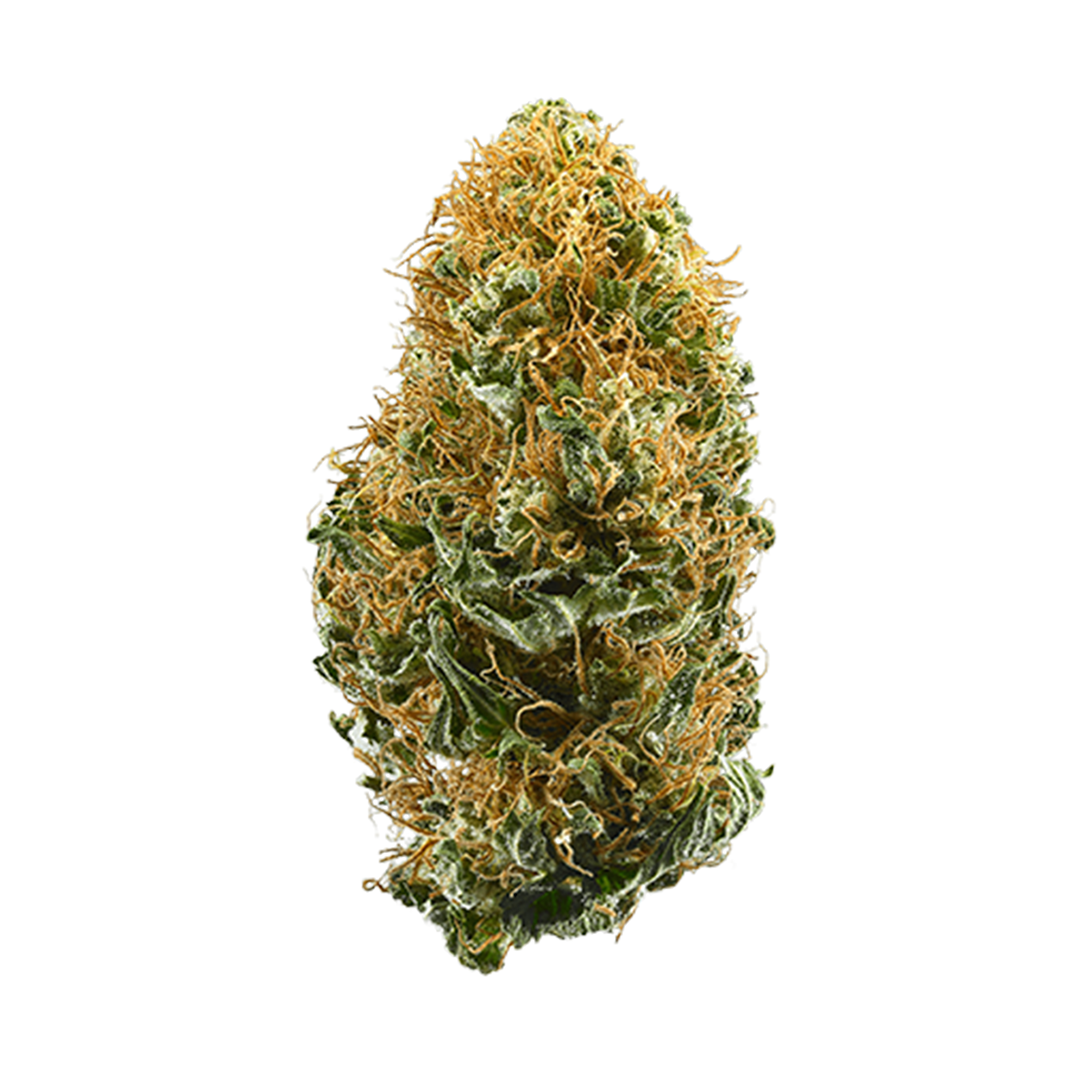
White Widow is a balanced hybrid cultivar created by crossing a Brazilian sativa landrace with a South Indian indica landrace. Developed in the Netherlands in the 1990s by Green House Seeds, White Widow quickly became one of the most famous and widely distributed cannabis strains in the world. Its name derives from the thick white trichome coverage that coats the buds, giving them a frosty, almost white appearance. White Widow played a pivotal role in popularizing cannabis in European coffee shops and remains a classic strain that bridges the gap between old-school genetics and modern breeding. Its balanced effects, easy cultivation, and resinous production have made it a staple for decades.
¶ Quick Stats
| Attribute | Value |
|---|---|
| Type | Hybrid (Balanced) |
| THC % | 18-25% |
| CBD % | <1% |
| Dominant Terpenes | Myrcene, Pinene, Caryophyllene |
| Flowering Time | 55-65 days |
| Yield | Moderate to high (450-550 g/m² indoor) |
| Growing Difficulty | Easy |
¶ Genetics & Lineage
White Widow is a two-way cross of landrace genetics:
- Brazilian sativa landrace -- A naturally occurring sativa population from Brazil, contributing cerebral effects and vigor
- South Indian indica landrace -- A naturally occurring indica population from southern India, contributing resin production, compact structure, and body relaxation
Parent lineage: Brazilian Sativa x South Indian Indica
White Widow was developed by Green House Seeds in the Netherlands and released in the 1990s. The strain quickly became a coffee shop staple across Amsterdam and spread worldwide. White Widow has been extensively cloned and pheno-hunted, producing numerous derivative selections including White Russian, White Rhino, and many "White" crosses. Its genetics have been foundational in resin-focused breeding programs, and White Widow is often cited as one of the most resinous strains ever developed, making it popular for hash and extract production.
¶ Cannabinoid Profile
| Cannabinoid | Typical Range |
|---|---|
| THC (Total) | 18-25% |
| CBD | <1% (typically 0.1-0.3%) |
| CBG | 0.5-1.5% |
| CBN | <0.5% (increases with age) |
White Widow occupies the moderate to high THC range, with the balanced indica-sativa genetics producing effects that are neither overwhelmingly cerebral nor heavily sedating.
¶ Terpene Profile
| Terpene | Approximate Share | Notes |
|---|---|---|
| Myrcene | 25-40% | Primary terpene; earthy, herbal base |
| Pinene | 15-25% | Significant presence; pine, fresh aroma |
| Caryophyllene | 10-20% | Spicy, peppery depth |
| Humulene | 3-8% | Earthy, hoppy accents |
| Linalool | 2-5% | Subtle floral notes |
The myrcene-pinene-caryophyllene combination produces White Widow's distinctive earthy-woody-pine aroma that is classic and recognizable.
¶ Effects & Experience
White Widow is widely reported to produce:
- Balanced euphoria -- A pleasant mental lift that is accompanied by comfortable body relaxation, creating a well-rounded experience
- Energy and sociability -- Moderate energy boost and social engagement from the sativa parentage
- Physical relaxation -- Comfortable body calm from the indica parentage without heavy sedation
- Creativity -- Enhanced creative thinking and mental engagement
Onset: Effects begin within minutes when smoked or vaporized; 30-90 minutes when consumed orally.
Duration: 2-3 hours for inhaled consumption; 4-6 hours for oral consumption.
Intensity: Moderate to strong. The balanced effects make White Widow accessible to a wide range of users and suitable for various settings.
⚠️ Effects are self-reported and vary by individual, dose, tolerance, and consumption method. Not a prediction of any individual's experience.
¶ Aroma & Flavor
- Smell: Earthy, woody, and pine with subtle sweet undertones. The aroma is classic and traditional, representing a balanced profile rather than an extreme fruity or fuel-forward character.
- Taste: Earthy and woody on the inhale, with pine and slightly sweet notes on the exhale. The flavor is smooth and classic, appealing to users who appreciate traditional cannabis taste.
¶ Medical Usesdanger
Not Medical Advice -- The following lists commonly reported therapeutic applications. This does not constitute medical advice. Consult a healthcare professional before using cannabis therapeutically.
Commonly reported uses include:
- Stress and anxiety -- The balanced euphoric effect is frequently cited for stress reduction
- Pain management -- Physical relaxation is commonly reported for mild to moderate pain
- Depression and low mood -- The uplifting quality is used for mood elevation
- Fatigue -- The moderate energy boost provides daytime functionality
- PTSD -- Some users report the balanced effects help manage PTSD symptoms without oversedation
¶ Adverse Effects
Commonly reported adverse effects:
- Dry mouth
- Dry eyes
- Mild dizziness at higher doses
- Anxiety possible at higher doses
- Drowsiness at higher doses
- Difficulty sleeping if used late in the day
¶ Growing Information
| Attribute | Details |
|---|---|
| Difficulty | Easy -- one of the easiest and most forgiving strains to grow |
| Flowering Time | 55-65 days (indoor) |
| Yield | 450-550 g/m² indoor; 550+ g/plant outdoor |
| Plant Height | Medium -- manageable stretch during early flower |
| Preferred Environment | Indoor or outdoor; performs well in both. Adaptable to various growing conditions. |
| Resistance | Good resistance to mold and pests. Resilient and vigorous grower. Responds well to SOG, SCROG, topping, and LST. The heavy resin production provides natural pest protection. Excellent choice for beginners. |
White Widow is one of the easiest strains to grow and is frequently recommended for beginners. Its resilience, adaptability, and good yield make it a reliable choice. The heavy trichome production is a notable feature -- White Widow is often chosen by growers interested in hash and extract production due to the exceptional resin coverage. Outdoor harvest in the Northern Hemisphere typically falls in late September to early October.
¶ Awards & Recognition
- White Widow was a dominant force in Amsterdam coffee shops throughout the 1990s and 2000s
- Green House Seeds' White Widow has been featured in numerous Cannabis Cup entries and placements
- The strain is widely recognized as one of the most important classics in cannabis breeding
- Its derivatives (White Russian, White Rhino, and numerous "White" crosses) have won multiple awards
¶ Similar Strains
- Blue Dream -- Comparable balanced, universally appealing hybrid
- AK-47 -- Similar classic, award-winning hybrid
- OG Kush -- Comparable foundational, widely influential hybrid
- Northern Lights -- Similar easy-growing classic with relaxing effects
Back to Strain Database | Hybrid Strains | Strain Template Guide