¶ Grape Ape
¶ Overview
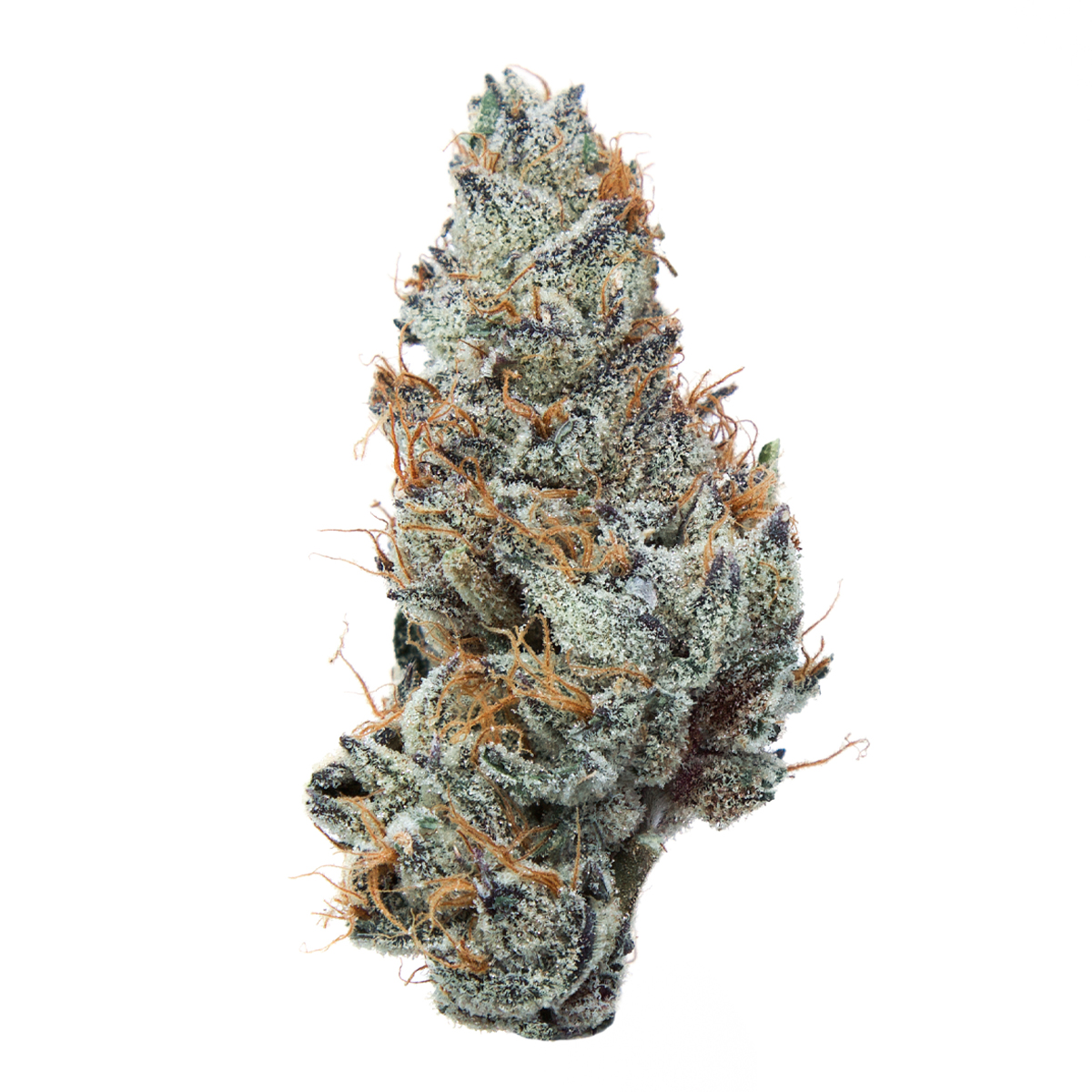
Grape Ape is an indica cultivar created by Apothecary Genetics through a three-way cross of Mendocino Purps, Skunk, and Afghani genetics. Named for its pronounced grape aroma and the heavy, ape-like body effects it produces, Grape Ape has become one of the most recognizable purple strains in the cannabis market. Its deep purple buds, frosty trichome coverage, and unmistakable grape-and-berry sweetness make it visually and aromatically distinctive. Grape Ape is widely used as a parent strain in further breeding, passing on both its vivid coloration and its sweet terpene profile.
¶ Quick Stats
| Attribute | Value |
|---|---|
| Type | Indica |
| THC % | 15-20% |
| CBD % | <1% |
| Dominant Terpenes | Myrcene, Caryophyllene, Limonene |
| Flowering Time | 55-65 days |
| Yield | Moderate (350-450 g/m² indoor) |
| Growing Difficulty | Moderate |
¶ Genetics & Lineage
Grape Ape was deliberately bred by Apothecary Genetics to combine three influential genetics:
- Mendocino Purps -- A landrace-influenced indica from Northern California's Mendocino County, known for its purple coloration and earthy-sweet profile
- Skunk -- The foundational hybrid genetics that revolutionized cannabis breeding, contributing vigor, yield, and aromatic complexity
- Afghani -- A pure indica landrace from Afghanistan, providing the deep body relaxation and resin production characteristic of Central Asian genetics
Parent lineage: Mendocino Purps x Skunk x Afghani
The three-way cross was designed to capture the purple coloration of Mendocino Purps, the reliability and yield of Skunk, and the heavy indica body effects of Afghani. The result is a strain that delivers on all three objectives.
¶ Cannabinoid Profile
| Cannabinoid | Typical Range |
|---|---|
| THC (Total) | 15-20% |
| CBD | <1% (typically 0.1-0.4%) |
| CBG | 0.5-1.0% |
| CBN | <0.5% (increases with age) |
Grape Ape occupies the moderate THC range, making it accessible to a wide range of users. The moderate potency is paired with consistent effects, a hallmark of well-stabilized Apothecary Genetics breeding.
¶ Terpene Profile
| Terpene | Approximate Share | Notes |
|---|---|---|
| Myrcene | 35-55% | Dominant terpene; earthy, herbal base; primary driver of sedation |
| Caryophyllene | 15-25% | Spicy, peppery notes; adds depth to the flavor profile |
| Limonene | 10-18% | Citrus sweetness that enhances the grape-berry character |
| Linalool | 3-8% | Floral, lavender notes that complement the grape aroma |
| Pinene | 2-5% | Subtle pine freshness |
The myrcene-caryophyllene foundation supports the heavy body effects, while limonene and linalool produce the signature grape-berry sweetness that defines Grape Ape's aromatic identity.
¶ Effects & Experience
Grape Ape is widely reported to produce:
- Heavy body relaxation -- A deep, full-body sensation that relaxes muscles and eases physical tension from head to toe
- Sedation -- Progressive drowsiness that intensifies over the experience, making this strain best suited for evening or nighttime use
- Mild euphoria -- A gentle mental lift that accompanies the physical relaxation without excessive cerebral stimulation
- Stress relief -- Commonly reported reduction in mental tension as the body-heavy effects settle in
Onset: Effects typically begin within minutes when smoked or vaporized; 30-90 minutes when consumed orally.
Duration: 2-3 hours for inhaled consumption; 4-8 hours for oral consumption.
Intensity: Moderate. The moderate THC range makes Grape Ape accessible to less experienced users while still providing satisfying depth for regular consumers.
⚠️ Effects are self-reported and vary by individual, dose, tolerance, and consumption method. Not a prediction of any individual's experience.
¶ Aroma & Flavor
Grape Ape is famous for its distinctive sensory profile:
- Smell: Pronounced grape and berry sweetness with earthy undertones. The purple buds carry a wine-like, fruity aroma that is immediately recognizable. The myrcene base provides an earthy foundation that grounds the sweeter top notes.
- Taste: Sweet grape and berry flavors on inhalation, with earthy and slightly spicy notes on the exhale. The flavor is smooth and palatable, with limonene providing faint citrus accents that enhance the fruit character.
¶ Medical Usesdanger
Not Medical Advice -- The following lists commonly reported therapeutic applications. This does not constitute medical advice. Consult a healthcare professional before using cannabis therapeutically.
Commonly reported uses include:
- Sleep support -- The sedating quality makes Grape Ape a frequent choice for individuals dealing with insomnia
- Pain management -- Deep body relaxation is commonly cited for relief from chronic pain, muscle spasms, and cramping
- Stress and anxiety reduction -- The calming body effect is reported to ease mental tension and worry
- Appetite stimulation -- The THC-dominant profile is reported to increase appetite
- Muscle relaxation -- Commonly used for relief from muscle tension and spasms
¶ Adverse Effects
Commonly reported adverse effects:
- Dry mouth
- Dry eyes
- Drowsiness (undesirable for daytime use)
- Dizziness at higher doses
- Potential couch-lock at moderate to high doses
- Anxiety or paranoia possible in THC-sensitive individuals, though less commonly reported due to the moderate THC range
¶ Growing Information
| Attribute | Details |
|---|---|
| Difficulty | Moderate -- requires attention to temperature management for optimal purple expression |
| Flowering Time | 55-65 days (indoor) |
| Yield | 350-450 g/m² indoor; 450-550 g/plant outdoor |
| Plant Height | Medium -- compact to moderate stretch; manageable structure |
| Preferred Environment | Indoor or outdoor; cooler nighttime temperatures (60-65°F / 15-18°C) during flowering enhance purple pigmentation |
| Resistance | Moderate resistance to mold and pests. The Skunk genetics contribute some vigor and resilience. Dense buds require adequate air circulation to prevent bud rot. |
Grape Ape rewards growers who can manage temperature fluctuations during flowering. The iconic purple coloration is triggered by cooler nighttime temperatures, and growers who can provide a 10-15°F drop at night will see the most vibrant results. The strain benefits from support structures during late flower as the dense colas add weight. Outdoor harvest in the Northern Hemisphere typically falls in early to mid-October.
¶ Awards & Recognition
- Grape Ape has been widely recognized in cannabis culture and media as a top purple strain
- Frequently featured in cannabis publications and strain databases
- Has been used as a parent in numerous derivative crosses that have themselves gained recognition
- Apothecary Genetics' creation is considered a milestone in modern indica breeding
¶ Similar Strains
- Granddaddy Purple -- Similar purple coloration and grape-berry profile
- Mendo Purps -- Parent lineage with comparable characteristics
- Purple Kush -- Similar heavy indica body effects
- Purple Punch -- Shares grape-berry sweetness
Back to Strain Database | Indica Strains | Strain Template Guide