¶ Purple Kush
¶ Overview
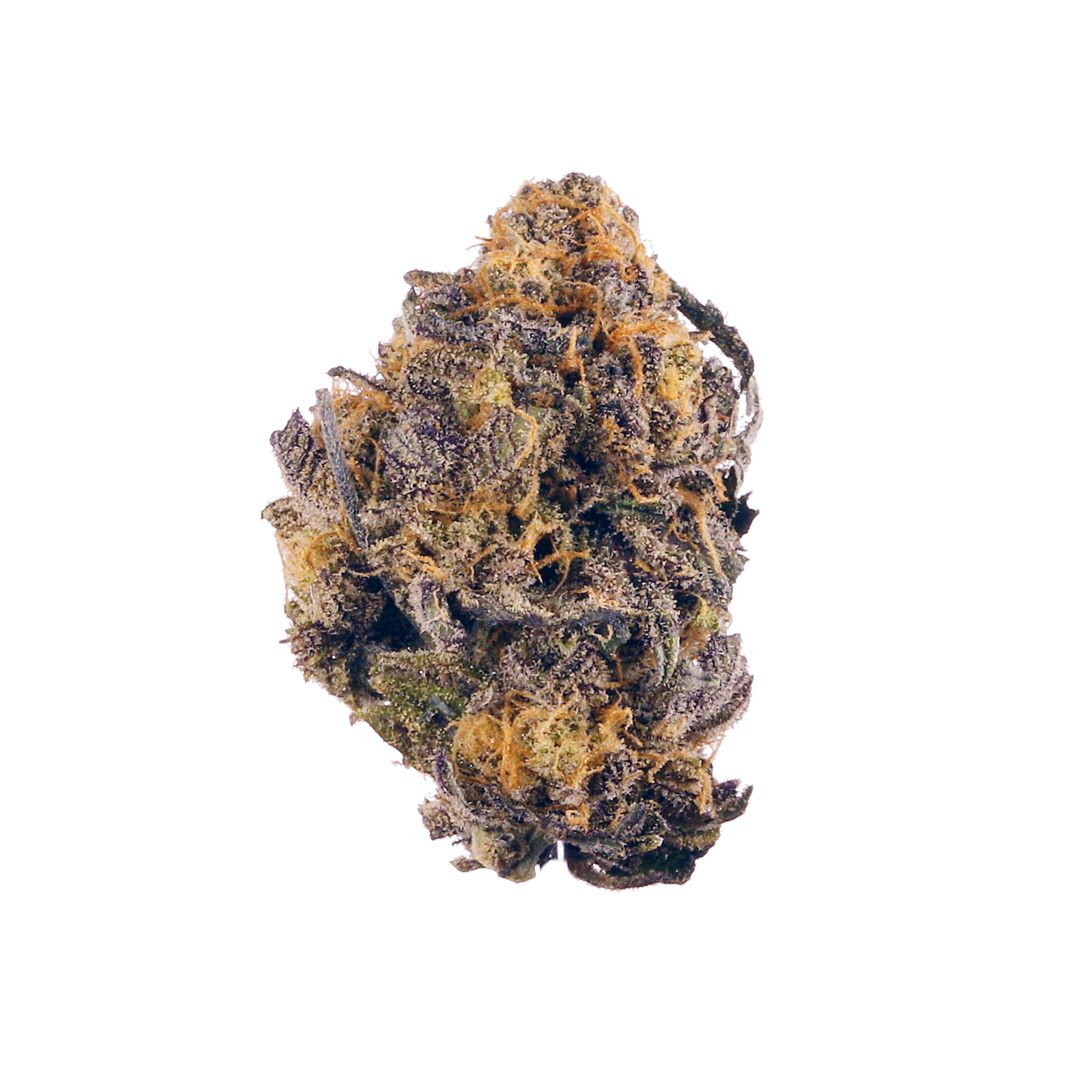
Purple Kush is a pure indica cultivar that originated in Oakland, California, during the 1990s. It is a cross between Hindu Kush and a Purple Afghani landrace selection, combining the reliable, resilient genetics of the Hindu Kush mountain landrace with the distinctive purple pigmentation and sweet flavor of Purple Afghani. The result is a deeply relaxing indica with a characteristic earthy-sweet grape aroma and striking purple and orange visual appearance. Purple Kush remains a staple in indica collections and has contributed genetics to numerous modern purple-themed cultivars.
¶ Quick Stats
| Attribute | Value |
|---|---|
| Type | Indica |
| THC % | 17-22% |
| CBD % | <1% |
| Dominant Terpenes | Myrcene |
| Flowering Time | 55-65 days |
| Yield | Moderate (350-450 g/m² indoor) |
| Growing Difficulty | Easy |
¶ Genetics & Lineage
Purple Kush is a straightforward two-way cross of two indica-dominant parents:
- Hindu Kush -- A pure landrace indica from the Hindu Kush mountain range along the India-Pakistan border, known for resilience and earthy flavor
- Purple Afghani -- A purple-phenotype selection from Afghani landrace genetics, bringing the distinctive purple coloration and sweet grape notes
Parent lineage: Hindu Kush x Purple Afghani
The strain was developed and popularized in the Oakland area of California's Bay Area, where it gained a reputation for consistent quality and striking appearance. Purple Kush genetics have since been incorporated into many modern purple-themed crosses.
¶ Cannabinoid Profile
| Cannabinoid | Typical Range |
|---|---|
| THC (Total) | 17-22% |
| CBD | <1% (typically 0.1-0.3%) |
| CBG | 0.5-1.0% |
| CBN | <0.5% (increases with age) |
Purple Kush occupies a moderate THC range that delivers noticeable effects without being overwhelming. Its cannabinoid consistency across different grows contributes to its reputation as a reliable indica.
¶ Terpene Profile
| Terpene | Approximate Share | Notes |
|---|---|---|
| Myrcene | 45-65% | Overwhelmingly dominant; responsible for the earthy, herbal base and sedating effects |
| Caryophyllene | 10-20% | Adds spicy, peppery depth |
| Pinene | 3-8% | Subtle pine freshness |
| Linalool | 2-5% | Floral notes that contribute to the grape character |
The high myrcene content is the defining feature of Purple Kush's terpene profile and directly correlates with its deeply sedating effect profile.
¶ Effects & Experience
Purple Kush is widely reported to produce:
- Full-body relaxation -- A deep, heavy physical sensation that releases muscle tension and promotes physical calm
- Sedation -- Progressive drowsiness that typically leads to sleepiness, making this a nighttime-oriented strain
- Mild euphoria -- A gentle mood lift without intense cerebral activity
- Pain relief -- Physical numbing and relaxation commonly reported to ease discomfort
Onset: Effects begin within minutes when smoked or vaporized; 30-90 minutes when consumed orally.
Duration: 2-3 hours for inhaled consumption; 4-8 hours for oral consumption.
Intensity: Moderate. The effects are pronounced but not overwhelming, suitable for both experienced users and those with moderate tolerance.
⚠️ Effects are self-reported and vary by individual, dose, tolerance, and consumption method. Not a prediction of any individual's experience.
¶ Aroma & Flavor
- Smell: Earthy and sweet with grape and fruity undertones. The myrcene-dominant profile gives a rich, musky base, while the Purple Afghani genetics contribute a distinctive grape-like sweetness.
- Taste: Earthy and sweet on the inhale, with grape and slight fruity flavors. The exhale carries a mild earthy hash quality inherited from its Kush lineage. The smoke is generally smooth.
¶ Medical Usesdanger
Not Medical Advice -- The following lists commonly reported therapeutic applications. This does not constitute medical advice. Consult a healthcare professional before using cannabis therapeutically.
Commonly reported uses include:
- Pain management -- Deep body relaxation is commonly cited for relief from chronic pain, inflammation, and muscle spasms
- Insomnia -- The strong sedating quality makes Purple Kush a frequent choice for individuals with sleep difficulties
- Stress relief -- The calming physical effects are reported to reduce physical manifestations of stress
- Muscle relaxation -- Frequently used for muscle tension, cramping, and spasm relief
¶ Adverse Effects
Commonly reported adverse effects:
- Dry mouth
- Dry eyes
- Heavy drowsiness, unsuitable for daytime or productivity-oriented use
- Dizziness, particularly at higher doses
- Couch-lock that can limit physical activity
- Anxiety possible at high doses, though relatively uncommon with this strain
¶ Growing Information
| Attribute | Details |
|---|---|
| Difficulty | Easy -- resilient, compact, and forgiving of common mistakes |
| Flowering Time | 55-65 days (indoor) |
| Yield | 350-450 g/m² indoor; 450-550 g/plant outdoor |
| Plant Height | Short -- compact, squat structure typical of pure indica genetics |
| Preferred Environment | Indoor or outdoor; thrives in both. Cooler temperatures during flowering enhance purple coloration. |
| Resistance | Good resistance to pests and diseases. Dense buds require monitoring for bud rot in high-humidity environments. |
Purple Kush is one of the more straightforward indica strains to grow. Its compact size makes it well-suited to small indoor spaces, sea-of-green (SOG) setups, and stealth grows. The purple coloration is enhanced by cooler nighttime temperatures during flowering. The strain is resilient and does not demand precise nutrient regimens, making it accessible to beginners. Outdoor harvest in the Northern Hemisphere typically falls in late September to early October.
¶ Awards & Recognition
- No widely recognized Cannabis Cup wins on record specifically for Purple Kush as a standalone entry
- The strain has achieved iconic status in cannabis culture, particularly on the U.S. West Coast
- Its genetics appear in numerous modern purple-themed crosses that have won awards
¶ Similar Strains
- Hindu Kush -- Parent landrace lineage
- Afghani -- Parent landrace family
- Granddaddy Purple -- Similar purple coloration and grape/berry flavor
- Bubba Kush -- Comparable deep relaxation indica
Back to Strain Database | Indica Strains | Strain Template Guide