¶ Tahoe OG
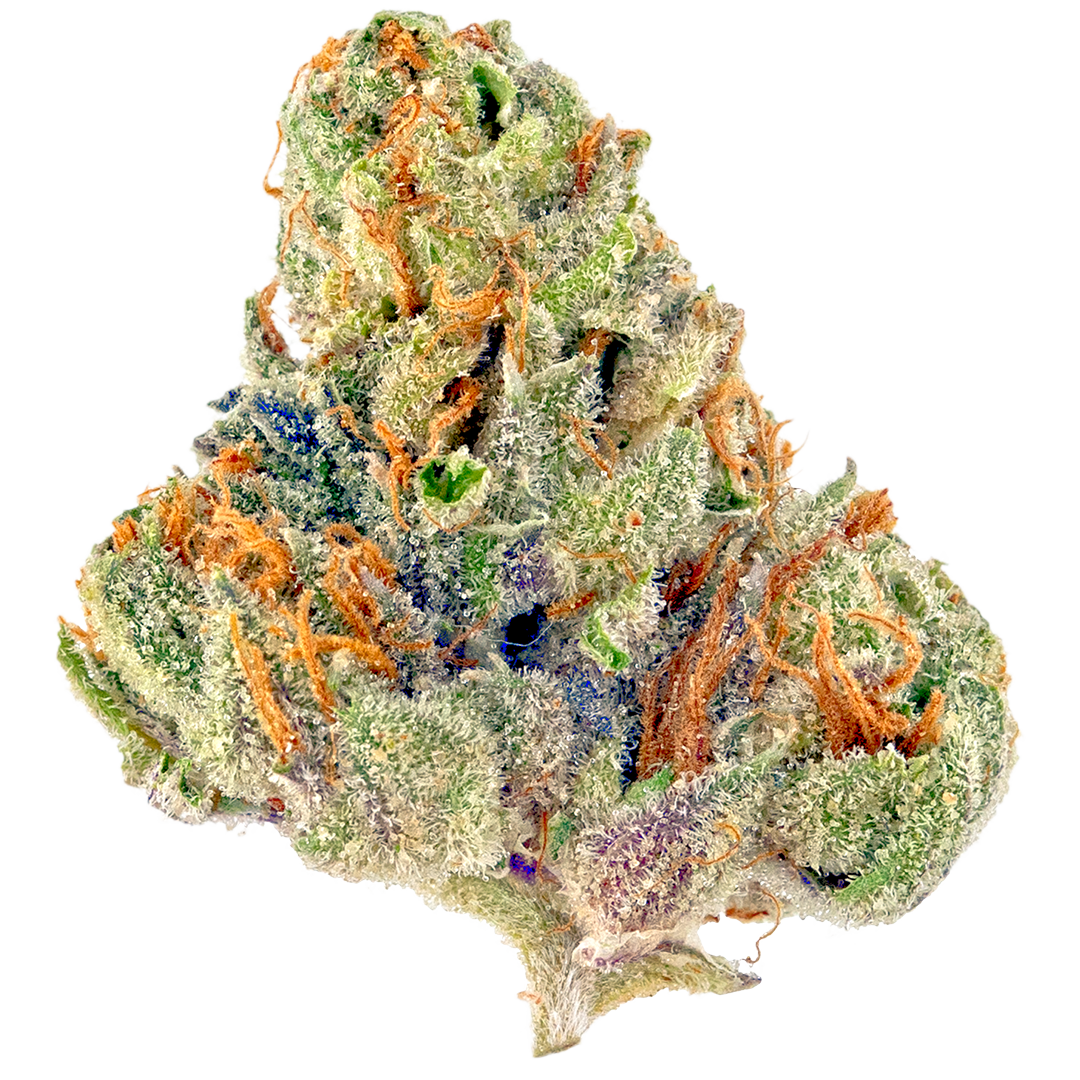
¶ Overview
Tahoe OG is an indica-dominant hybrid that emerged as a distinct phenotype of OG Kush, selected from plants grown in the Lake Tahoe area of California and Nevada. This OG phenotype distinguished itself through its fast-acting body relaxation, earthy pine and lemon aroma, and consistent potency. Tahoe OG is widely regarded as one of the strongest OG Kush phenotypes in terms of pure indica body effects, often delivering a heavier physical sensation than other OG varieties. The strain has maintained a strong presence in West Coast cannabis culture and has been used as a parent in further breeding, including the creation of Fire OG (Tahoe OG x SFV OG) and other OG derivatives.
¶ Quick Stats
| Attribute | Value |
|---|---|
| Type | Indica-Dominant Hybrid |
| THC % | 20-25% |
| CBD % | <1% |
| Dominant Terpenes | Myrcene, Limonene, Caryophyllene |
| Flowering Time | 55-65 days |
| Yield | Moderate (350-450 g/m² indoor) |
| Growing Difficulty | Moderate |
¶ Genetics & Lineage
Tahoe OG is a selected phenotype of OG Kush:
- OG Kush -- The legendary West Coast cultivar of debated lineage (commonly described as Chemdawg x Hindu Kush x Lemon Thai) that has become one of the most influential strains in cannabis history
Parent lineage: OG Kush phenotype
Tahoe OG was identified through phenotype hunting of OG Kush in the Lake Tahoe region, with the selected mother expressing the heaviest indica effects, most consistent lemon-forward terpene profile, and most reliable growing characteristics among the tested plants. As an OG Kush phenotype, Tahoe OG carries the same foundational genetics as other OG varieties but expresses them in a distinct, indica-heavy manner with a recognizable lemon-pine aroma.
¶ Cannabinoid Profile
| Cannabinoid | Typical Range |
|---|---|
| THC (Total) | 20-25% |
| CBD | <1% (typically 0.1-0.3%) |
| CBG | 0.5-1.5% |
| CBN | <0.5% (increases with age) |
Tahoe OG occupies the high end of the THC range, delivering potent effects that are best approached with care by less experienced users.
¶ Terpene Profile
| Terpene | Approximate Share | Notes |
|---|---|---|
| Myrcene | 30-50% | Dominant terpene; earthy, herbal base associated with fast-acting sedation |
| Limonene | 15-25% | Significant presence; lemon brightness that is a signature element of this phenotype |
| Caryophyllene | 10-18% | Peppery, spicy depth contributing to the earthy character |
| Pinene | 5-10% | Pine freshness adding a crisp dimension |
| Humulene | 2-5% | Earthy, hoppy accents |
The myrcene-limonene-caryophyllene combination produces Tahoe OG's distinctive earthy, pine, and lemon aroma, with the lemon character being more pronounced than in many other OG Kush phenotypes.
¶ Effects & Experience
Tahoe OG is widely reported to produce:
- Fast-acting body relaxation -- A rapid-onset physical relaxation that begins shortly after consumption and progresses to deeper sedation
- Strong sedation -- Progressive drowsiness that typically leads to sleep at moderate doses, making this strain best suited for evening or nighttime use
- Mild euphoria -- A brief mental lift that arrives before the body effects take over
- Stress relief -- Commonly reported reduction in mental and physical tension
Onset: Effects typically begin within minutes when smoked or vaporized; 30-90 minutes when consumed orally.
Duration: 2-4 hours for inhaled consumption; 6-8 hours for oral consumption.
Intensity: Strong. Tahoe OG is best suited to experienced users or those with established tolerance due to its high THC content and heavy indica effects.
⚠️ Effects are self-reported and vary by individual, dose, tolerance, and consumption method. Not a prediction of any individual's experience. Do not operate vehicles or machinery after consumption.
¶ Aroma & Flavor
Tahoe OG presents a classic OG-forward sensory profile with a lemon emphasis:
- Smell: Earthy, pine, and lemon with fuel undertones. The aroma is pungent and recognizable as OG Kush lineage, with a deep earthy base, fresh pine notes, and a distinct lemon character that sets this phenotype apart from other OG varieties. The smell is strong and noticeable.
- Taste: Earthy and lemon-forward on inhalation, with pine and slightly fuel-like notes on the exhale. The flavor is bold and classic OG, appealing to users who appreciate the recognizable OG Kush profile with a citrus twist.
¶ Medical Usesdanger
Not Medical Advice -- The following lists commonly reported therapeutic applications. This does not constitute medical advice. Consult a healthcare professional before using cannabis therapeutically.
Commonly reported uses include:
- Pain management -- Fast-acting physical relaxation is commonly cited for severe chronic pain, muscle spasms, and tension
- Insomnia and sleep support -- The powerful sedating effect makes Tahoe OG a frequent choice for individuals with significant sleep difficulties
- Stress and anxiety reduction -- The calming body effect is reported to reduce both mental and physical stress
- Appetite stimulation -- High THC content is associated with notable appetite increase
¶ Adverse Effects
Commonly reported adverse effects:
- Dry mouth (cottonmouth)
- Dry eyes
- Heavy drowsiness and couch-lock
- Dizziness at higher doses
- Anxiety or paranoia at high doses, more likely due to the elevated THC content
- Impaired coordination and cognitive function during the experience
¶ Growing Information
| Attribute | Details |
|---|---|
| Difficulty | Moderate -- requires attention to environment, particularly humidity and nutrient management |
| Flowering Time | 55-65 days (indoor) |
| Yield | 350-450 g/m² indoor; 450-550 g/plant outdoor |
| Plant Height | Medium -- stretches moderately during early flower; inherits OG Kush structure |
| Preferred Environment | Indoor or outdoor; prefers a warm, dry, Mediterranean-like climate similar to its West Coast origins |
| Resistance | Moderate resistance to mold and pests. OG Kush lineage can bring sensitivity to humidity fluctuations and nutrient imbalances. Adequate airflow and careful feeding are recommended. Dense buds require attention to prevent bud rot. |
Tahoe OG is moderately challenging to grow. It benefits from the grower's attention to environmental stability, particularly humidity and temperature control. The strain responds well to topping and LST. Nutrient sensitivity inherited from OG Kush genetics means that overfeeding should be avoided. Outdoor harvest in the Northern Hemisphere typically falls in early to mid-October.
¶ Awards & Recognition
- No widely recognized Cannabis Cup wins on record for Tahoe OG as a standalone entry
- Both the parent strain (OG Kush) and derivative crosses (Fire OG) are individually recognized and awarded
- Tahoe OG has maintained a strong reputation through consumer demand and dispensary presence, particularly on the West Coast
- Widely recognized among OG Kush phenotypes as one of the heaviest and most potent indica expressions
¶ Similar Strains
- OG Kush -- Parent lineage with comparable fuel-forward profile
- Kosher Kush -- OG Kush phenotype with similar potent body effects and Cannabis Cup recognition
- Skywalker OG -- OG Kush cross with comparable heavy relaxation
- God's Gift -- OG Kush cross with similar deep sedation
Back to Strain Database | Indica Strains | Strain Template Guide