¶ Panama Red
¶ Overview
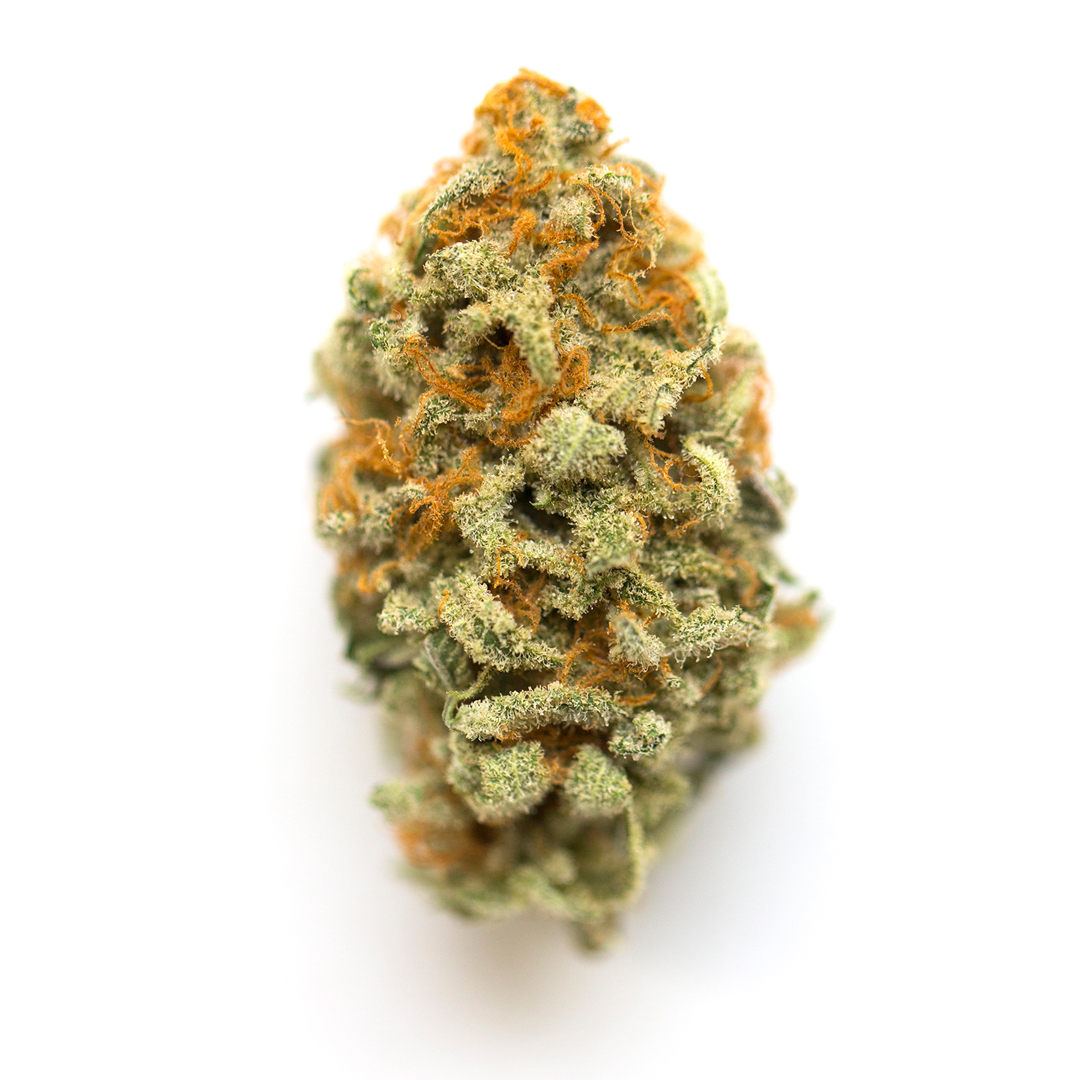
Panama Red is a pure sativa landrace cultivar originating from the Boquete region of Panama in Central America. It is one of the most legendary and historically significant strains in cannabis culture, achieving near-mythical status during the 1960s and 1970s when it was among the most prized cannabis imports into the United States. Panama Red is celebrated for its distinctive reddish-amber pistil coloration, earthy-woody-spicy aroma, and powerfully cerebral, energetic effects. The strain originated in the fertile highlands of western Panama, where the unique microclimate -- warm temperatures, seasonal rainfall, and volcanic soil -- shaped its distinctive characteristics. As a pure landrace, Panama Red represents cannabis genetics formed entirely by natural selection in its Panamanian environment.
¶ Quick Stats
| Attribute | Value |
|---|---|
| Type | Sativa |
| THC % | 14-19% |
| CBD % | <1% |
| Dominant Terpenes | Caryophyllene, Humulene, Terpinolene |
| Flowering Time | 75-90+ days |
| Yield | Low to moderate (250-350 g/m² indoor) |
| Growing Difficulty | Very difficult |
¶ Genetics & Lineage
Panama Red is a landrace strain -- a naturally occurring cannabis population that adapted to the warm, humid highland climate of the Boquete region in western Panama.
Parent lineage: Pure landrace -- no intentional crossbreeding
The Boquete highlands of Panama provide a unique microclimate with warm temperatures, rich volcanic soil, and seasonal rainfall patterns that shaped the Panama Red phenotype over generations. The strain's distinctive reddish-amber pistils are a natural characteristic that likely developed as an adaptation to the region's intense sunlight. During the 1960s and 1970s, Panama Red was smuggled into the United States in compressed form and quickly gained a reputation as one of the finest cannabis strains available. The song "Panama Red" by the New Riders of the Purple Sage (1973) cemented the strain's place in popular culture. Pure Panama Red genetics are increasingly rare due to decades of crossbreeding.
¶ Cannabinoid Profile
| Cannabinoid | Typical Range |
|---|---|
| THC (Total) | 14-19% |
| CBD | <1% (typically 0.1-0.3%) |
| CBG | 0.5-1.5% |
| CBN | <0.5% (increases with age) |
Panama Red's THC range is moderate by modern standards, reflecting its status as a naturally occurring landrace rather than a selectively bred high-THC cultivar. Its pure sativa genetics produce cerebral effects that are widely described as more energizing and functional than the THC percentage alone would suggest.
¶ Terpene Profile
| Terpene | Approximate Share | Notes |
|---|---|---|
| Caryophyllene | 25-40% | Primary terpene; spicy, earthy character with peppery depth |
| Humulene | 15-25% | Earthy, woody, hoppy notes contributing to the distinctive character |
| Terpinolene | 10-15% | Floral, herbal brightness associated with energizing effects |
| Myrcene | 3-8% | Lower than indica strains, consistent with cerebral effects |
| Pinene | 2-5% | Subtle pine undertones |
The caryophyllene-humulene-terpinolene combination produces the earthy-woody-spicy aroma that defines Panama Red.
¶ Effects & Experience
Panama Red is widely reported to produce:
- Cerebral and energetic effects -- A clear, head-focused stimulation that promotes daytime activity and engagement
- Energy and alertness -- A clean, invigorating effect suitable for active use
- Euphoria -- An uplifting, cheerful mood lift characteristic of quality sativa landraces
- Creativity and sociability -- Enhanced creative thinking and social interaction
Onset: Effects begin within minutes when smoked or vaporized; 30-90 minutes when consumed orally.
Duration: 2-4 hours for inhaled consumption; 4-8 hours for oral consumption.
Intensity: Moderate to strong. The effects are clear-headed and functional, though the cerebral quality can be pronounced for users sensitive to pure sativa genetics.
⚠️ Effects are self-reported and vary by individual, dose, tolerance, and consumption method. Not a prediction of any individual's experience.
¶ Aroma & Flavor
- Smell: Earthy, woody, and spicy with warm, inviting undertones. The aroma is rich and classic, with a woody-spicy character that distinguishes it from fruity modern hybrids.
- Taste: Earthy and woody on the inhale, with spicy and slightly herbal notes on the exhale. The flavor is traditional and refined, representing the classic Central American landrace profile.
¶ Medical Usesdanger
Not Medical Advice -- The following lists commonly reported therapeutic applications. This does not constitute medical advice. Consult a healthcare professional before using cannabis therapeutically.
Commonly reported uses include:
- Depression and low mood -- The uplifting, energetic effect is frequently cited for mood elevation
- Fatigue -- The energizing quality provides strong daytime functionality
- Stress relief -- The clear-headed cerebral effect is reported to reduce stress without sedation
- Focus and mental clarity -- Some users report improved concentration for work or creative projects
- Migraines -- Commonly reported to provide relief while maintaining daytime activity
¶ Adverse Effects
Commonly reported adverse effects:
- Dry mouth
- Dry eyes
- Anxiety or restlessness at higher doses
- Increased heart rate
- Dizziness
- Difficulty sleeping if used late in the day
- Heightened anxiety in users sensitive to energizing sativa effects
- The extremely long flowering time makes home cultivation impractical for most growers
¶ Growing Information
| Attribute | Details |
|---|---|
| Difficulty | Very difficult -- requires expert-level experience with equatorial sativa landrace characteristics |
| Flowering Time | 75-90+ days (indoor) -- very long, typical of equatorial sativa landraces |
| Yield | 250-350 g/m² indoor; 400+ g/plant outdoor |
| Plant Height | Very tall -- significant sativa stretch; extremely challenging indoors |
| Preferred Environment | Outdoor in warm, sunny climates strongly preferred. Indoor growing is challenging for most cultivators due to height and flowering time. |
| Resistance | Moderate resistance to mold in its native tropical conditions. The very long flowering time and extreme height are the primary challenges. Not recommended for beginner or intermediate growers. |
Panama Red is among the most difficult cannabis strains to cultivate. The very long flowering time (75-90+ days) demands exceptional patience and consistent environmental management. The plant grows extremely tall during flowering, requiring substantial vertical space that exceeds most indoor setups. The strain performs best in outdoor warm-climate environments that approximate its native Panamanian highland habitat. Outdoor harvest in the Northern Hemisphere typically falls in late October to November, and in some climates may not finish before seasonal conditions deteriorate. Pure landrace Panama Red seeds are rare and valuable.
¶ Awards & Recognition
- Panama Red achieved legendary status during the 1960s and 1970s as one of the most prized cannabis imports from Central America
- The strain was immortalized in the 1973 song "Panama Red" by the New Riders of the Purple Sage, cementing its place in popular culture
- Panama Red is frequently referenced in cannabis history literature and accounts from that era
- While it has not won modern Cannabis Cup awards, its cultural significance is among the highest of any strain
- Pure Panama Red genetics are increasingly rare and highly valued by landrace preservationists
¶ Similar Strains
- Colombian Gold -- Comparable legendary 1960s-70s sativa landrace
- Acapulco Gold -- Similar legendary vintage sativa landrace from Mexico
- Malawi Gold -- Comparable pure sativa landrace with earthy spicy profile
- Durban Poison -- Similar pure sativa landrace with energizing effects
Back to Strain Database | Sativa Strains | Strain Template Guide