¶ Purple Haze
¶ Overview
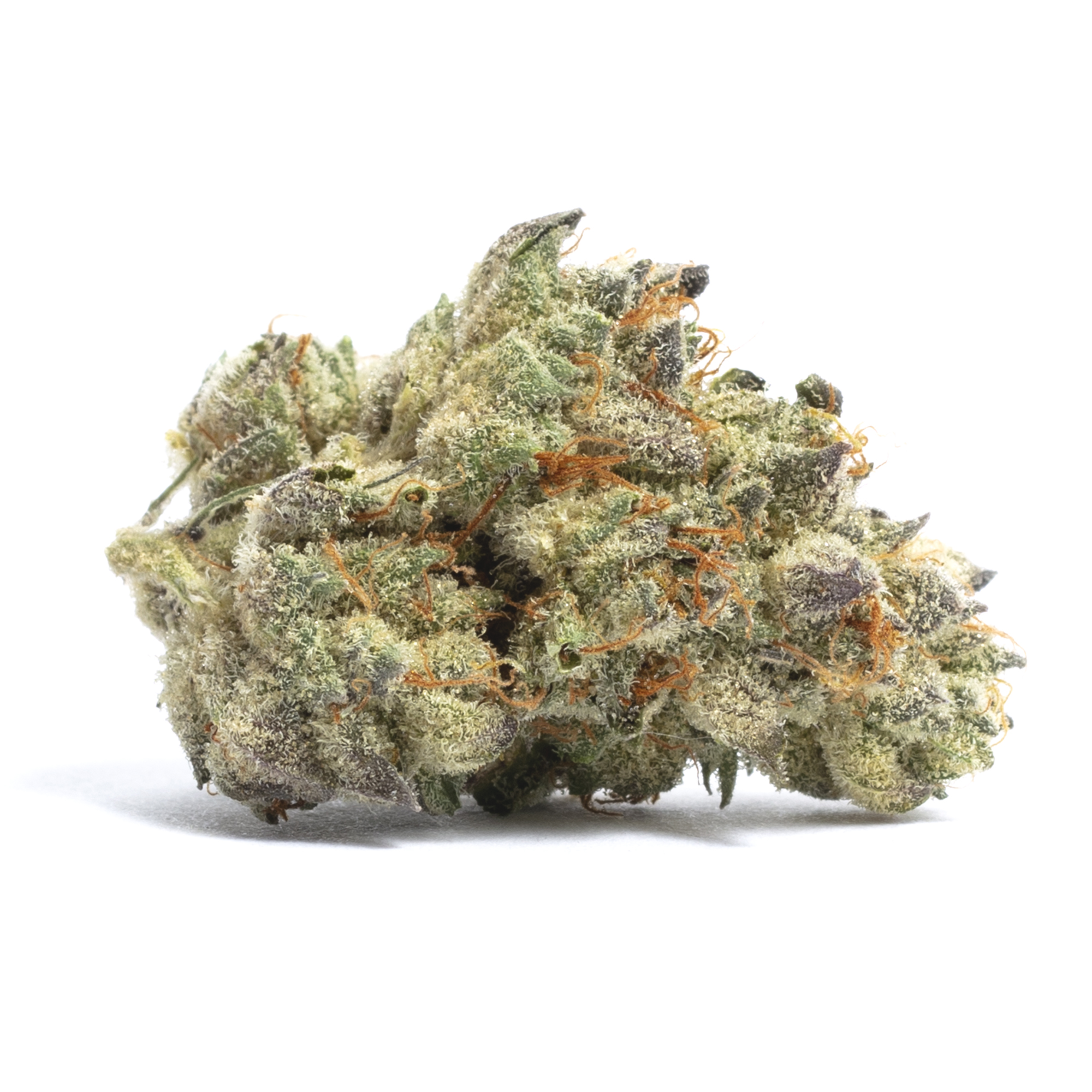
Purple Haze is a legendary sativa created by crossing Purple Thai with classic Haze genetics. The strain's name has become one of the most recognizable in cannabis culture, immortalized by Jimi Hendrix's 1967 song of the same name. While the exact connection between the song and the strain is debated, the name Purple Haze has become synonymous with creative, psychedelic sativa experiences. The strain delivers THC levels in the 15-20% range with a terpene profile dominated by terpinolene, caryophyllene, and myrcene, producing a sweet, berry-forward, and earthy aroma. Purple Haze is prized for its creative and energetic effects, making it one of the most culturally significant and enduringly popular sativa strains.
¶ Quick Stats
| Attribute | Value |
|---|---|
| Type | Sativa |
| THC % | 15-20% |
| CBD % | <1% |
| Dominant Terpenes | Terpinolene, Caryophyllene, Myrcene |
| Flowering Time | 65-80 days |
| Yield | Moderate (300-400 g/m² indoor) |
| Growing Difficulty | Moderate to Challenging |
¶ Genetics & Lineage
Purple Haze combines two classic sativa genetics:
- Purple Thai -- A sativa landrace selection from Thailand, known for its purple coloration expression and sweet, berry-forward aroma
- Haze -- The classic sativa genetics originating from the 1960s California scene, believed to include Colombian, Mexican, Thai, and South Indian landrace genetics
Parent lineage: Purple Thai x Haze
The cross was designed to combine the sweet, berry-forward, and visually striking purple characteristics of Purple Thai with the intensely cerebral effects of original Haze genetics. The resulting sativa captures the creative, energetic head space of Haze while adding the distinctive berry sweetness and purple coloration from the Thai parent. Modern Purple Haze genetics vary between breeders, and the exact expression of purple coloration depends on environmental conditions, particularly temperature during flowering.
¶ Cannabinoid Profile
| Cannabinoid | Typical Range |
|---|---|
| THC (Total) | 15-20% |
| CBD | <1% (typically 0.1-0.3%) |
| CBG | 0.5-1.2% |
| CBN | <0.5% (increases with age) |
Purple Haze sits in the moderate to upper-moderate THC range, providing noticeable potency with the clear-headed, creative character associated with classic sativa genetics.
¶ Terpene Profile
| Terpene | Approximate Share | Notes |
|---|---|---|
| Terpinolene | 25-35% | Primary terpene; floral, herbal, citrus notes defining the uplifting cerebral quality |
| Caryophyllene | 15-25% | Significant presence; spicy, peppery, earthy character |
| Myrcene | 10-15% | Sweet, herbal notes contributing to the berry-earth profile |
| Pinene | 5-10% | Pine freshness adding complexity |
| Limonene | 3-7% | Subtle citrus brightness |
The terpinolene-caryophyllene-myrcene combination produces the sweet, berry, and earthy aroma that defines Purple Haze.
¶ Effects & Experience
Purple Haze is widely reported to produce:
- Creative stimulation -- Enhanced creative thinking and mental exploration, inherited from the Haze genetics
- Energy and alertness -- A noticeable increase in energy and wakefulness suitable for daytime use
- Uplifting mood lift -- A bright, cheerful elevation that promotes positivity
- Mild psychedelic qualities -- The Haze heritage can produce a dreamy, expansive quality that is characteristic of classic sativas
Onset: Effects begin within minutes when smoked or vaporized; 30-90 minutes when consumed orally.
Duration: 2-4 hours for inhaled consumption; 4-8 hours for oral consumption.
Intensity: Moderate. The effects are clear-headed and creative, making Purple Haze suitable for a wide range of users.
⚠️ Effects are self-reported and vary by individual, dose, tolerance, and consumption method. Not a prediction of any individual's experience.
¶ Aroma & Flavor
- Smell: Sweet, berry, and earthy with herbal undertones. The myrcene-terpinolene combination gives it a warm, fruity quality with the berry sweetness being the most prominent feature, while the caryophyllene adds an earthy, spicy foundation.
- Taste: Sweet and berry-like on the inhale, with earthy and slightly herbal notes on the exhale. The flavor is smooth and approachable, appealing to users who appreciate fruity, classic sativa profiles.
¶ Medical Usesdanger
Not Medical Advice -- The following lists commonly reported therapeutic applications. This does not constitute medical advice. Consult a healthcare professional before using cannabis therapeutically.
Commonly reported uses include:
- Depression and low mood -- The uplifting, creative effect is frequently cited for mood elevation
- Fatigue -- The energizing quality provides daytime functionality
- Stress relief -- The cerebral euphoria is reported to reduce mental stress
- Creative blocks -- The creative stimulation is reported to help overcome mental barriers
- Mild pain management -- The caryophyllene content is reported to contribute to pain relief without impairment
¶ Adverse Effects
Commonly reported adverse effects:
- Dry mouth
- Dry eyes
- Anxiety or racing thoughts at higher doses
- Increased heart rate
- Dizziness
- Difficulty sleeping if used late in the day
¶ Growing Information
| Attribute | Details |
|---|---|
| Difficulty | Moderate to Challenging -- the long flowering time and pure sativa structure require experience |
| Flowering Time | 65-80 days (indoor) -- longer flowering typical of Haze-dominant sativas |
| Yield | 300-400 g/m² indoor; 400+ g/plant outdoor |
| Plant Height | Medium to tall -- significant sativa stretch; training recommended for indoor spaces |
| Preferred Environment | Indoor or outdoor; prefers warm, dry conditions with good air circulation. The purple coloration is most pronounced when exposed to cooler temperatures during late flowering. |
| Resistance | Moderate resistance to mold and pests. The Haze heritage requires attentive care during the long flowering period. Responds well to SCROG and topping. |
Purple Haze is moderately challenging to grow. The sativa structure requires height management, and the longer flowering time (65-80 days) demands patience. The purple coloration that gives the strain its name is most pronounced when plants are exposed to cooler temperatures during the late flowering stage, though this is not guaranteed and depends on the specific phenotype. Outdoor harvest in the Northern Hemisphere typically falls in mid to late October. The strain performs best in warm climates with long growing seasons.
¶ Awards & Recognition
- Purple Haze's name has achieved legendary status in popular culture, most famously through Jimi Hendrix's 1967 song
- The strain's cultural impact arguably exceeds that of many award-winning cultivars
- Purple Haze remains one of the most recognizable strain names in cannabis history
- While modern Purple Haze genetics vary between breeders, the name continues to be commercially significant and culturally iconic
¶ Similar Strains
- Thai Stick -- Comparable landrace Thai sativa with creative effects
- Malawi Gold -- Similar landrace sativa with cerebral, energetic qualities
- Chocolate Thai -- Comparable Thai landrace with sweet profile
- Durban Poison -- Similar energizing, clear-headed landrace sativa
Back to Strain Database | Sativa Strains | Strain Template Guide