¶ Sweet Skunk
¶ Overview
Sweet Skunk is a sativa-dominant phenotype of the legendary Skunk #1 cultivar, selected for its enhanced sweet character layered over the classic skunky-earthy foundation that made Skunk #1 famous. With a THC range of 14-19%, a myrcene-dominant terpene profile, and a sweet-skunky-earthy aroma, Sweet Skunk offers the reliable, forgiving growing characteristics of its Skunk #1 heritage with a softer, more approachable sensory profile that appeals to consumers who appreciate the classic Skunk character but prefer a sweeter, less pungent expression. The strain delivers uplifting, energetic sativa effects with a noticeable body relaxation inherited from the high myrcene content, making it a versatile daytime cultivar.
¶ Quick Stats
| Attribute | Value |
|---|---|
| Type | Sativa-dominant hybrid |
| THC % | 14-19% |
| CBD % | <1% |
| Dominant Terpenes | Myrcene, Caryophyllene, Terpinolene |
| Flowering Time | 50-60 days |
| Yield | Moderate to High (400-550 g/m² indoor) |
| Growing Difficulty | Easy |
¶ Genetics & Lineage
Sweet Skunk is a phenotype selection from the Skunk #1 population.
Parent lineage: Skunk #1 phenotype (Afghan x Mexican x Colombian)
As a Skunk #1 phenotype, Sweet Skunk carries the same three-landrace genetic foundation as its parent strain: Afghan indica, Mexican sativa, and Colombian sativa. Phenotype selection is the process by which breeders grow multiple plants from the same seed batch and identify individuals that express desirable traits more strongly than others. In the case of Sweet Skunk, the selected phenotype expresses a higher proportion of sweet terpenes (particularly limonene and ocimene) layered over the myrcene-dominant skunky foundation, producing an aroma and flavor profile that is noticeably sweeter and less aggressively pungent than the standard Skunk #1 expression. The strain is estimated at approximately 60% sativa / 40% indica, consistent with the overall Skunk #1 classification. Sweet Skunk demonstrates how phenotype variation within a single named cultivar can produce meaningfully different sensory experiences while maintaining the same genetic foundation.
¶ Cannabinoid Profile
| Cannabinoid | Typical Range |
|---|---|
| THC (Total) | 14-19% |
| CBD | <1% (typically 0.1-0.4%) |
| CBG | 0.5-1.5% |
| CBN | <0.5% (increases with age) |
Sweet Skunk's THC range is moderate, slightly higher on average than the standard Skunk #1 range due to phenotype selection for potency alongside sweet character. The low CBD content is standard for THC-dominant hybrids bred for recreational and functional effects.
¶ Terpene Profile
| Terpene | Approximate Share | Notes |
|---|---|---|
| Myrcene | 25-40% | Dominant terpene; earthy, musky, skunky notes; contributes to body relaxation |
| Caryophyllene | 10-15% | Spicy, peppery, woody depth; adds complexity and body calm through CB2 binding |
| Terpinolene | 5-10% | Floral, herbal brightness; contributes to uplifting sativa energy |
| Limonene | 3-8% | Citrus sweetness that distinguishes this phenotype from standard Skunk #1 |
| Pinene | 2-5% | Faint pine freshness underlying the sweet-skunky character |
The myrcene dominance produces the characteristic skunky-earthy aroma, while the elevated limonene content (relative to standard Skunk #1) adds the sweet, citrusy character that defines this phenotype. The combination creates a profile that is recognizably Skunk but softer and more approachable.
¶ Effects & Experience
Sweet Skunk is widely reported to produce:
- Uplifting energy -- A bright, motivating mental lift that supports daytime activity and engagement
- Gentle body relaxation -- The myrcene content provides a noticeable physical calmness that rounds out the sativa energy
- Mood elevation -- A cheerful, mild euphoria that is pleasant and functional
- Sociability -- Increased talkativeness and social engagement, making it suitable for group settings
Onset: Effects begin within minutes when smoked or vaporized; 30-90 minutes when consumed orally.
Duration: 2-3 hours for inhaled consumption; 4-6 hours for oral consumption.
Intensity: Moderate. The 14-19% THC range produces effects that are noticeable and pleasant without being overwhelming, making Sweet Skunk accessible to consumers with low to moderate tolerance.
⚠️ Effects are self-reported and vary by individual, dose, tolerance, and consumption method. Not a prediction of any individual's experience. As a Skunk #1 phenotype, Sweet Skunk's effects are broadly similar to the parent strain but may vary depending on the specific phenotype expression and growing conditions.
¶ Aroma & Flavor
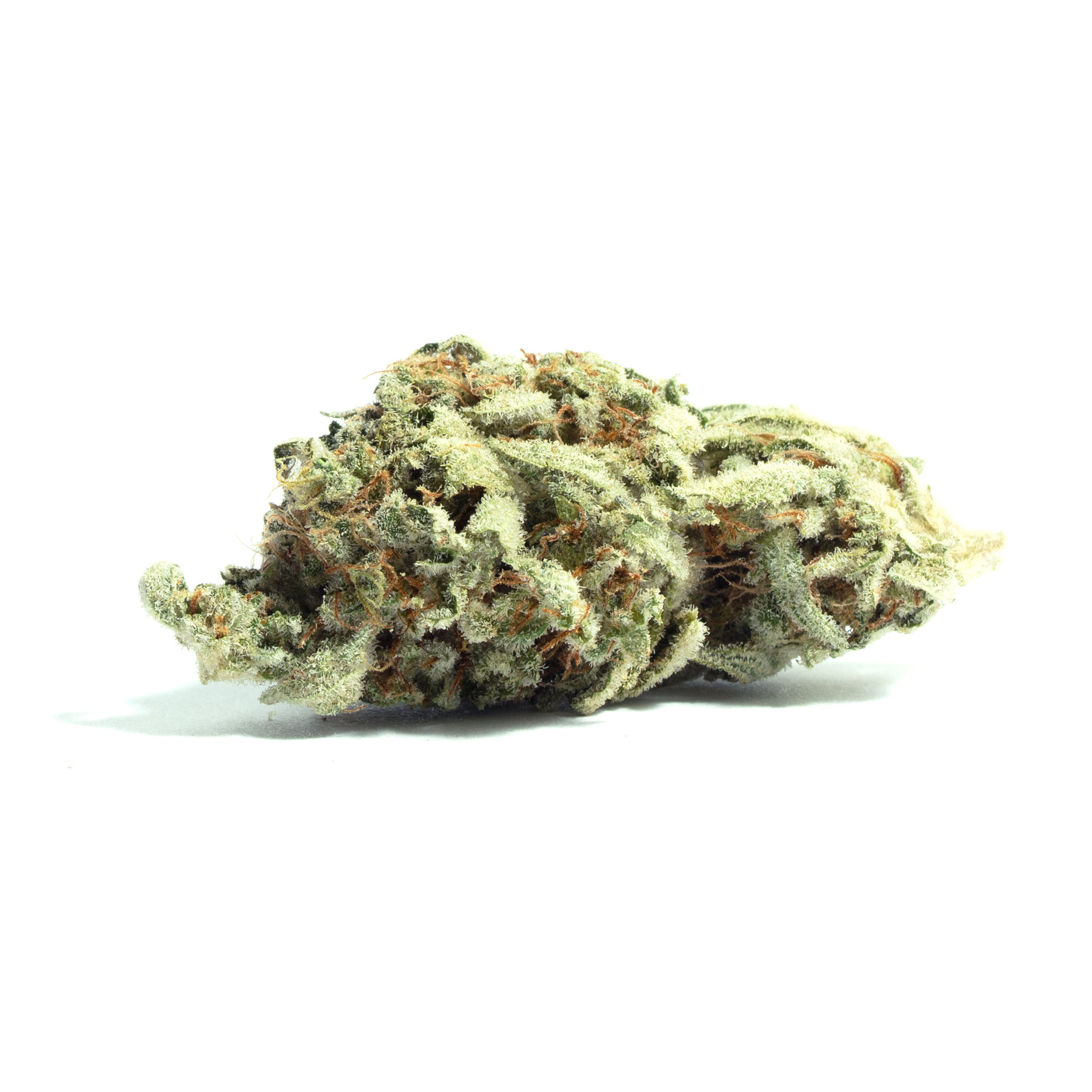
- Smell: Sweet and skunky with earthy undertones. The classic Skunk pungency is present but softened by elevated sweet terpenes, producing an aroma more balanced and approachable than the aggressively skunky character of standard Skunk #1.
- Taste: Sweet and earthy on the inhale with skunky, slightly spicy notes on the exhale. The flavor carries the sweet character of the aroma with a smooth, earthy-sweet palate and a faint spicy finish.
¶ Medical Usesdanger
Not Medical Advice -- The following lists commonly reported therapeutic applications. This does not constitute medical advice. Consult a healthcare professional before using cannabis therapeutically.
Commonly reported uses include:
- Stress and tension -- The balanced, mild effect is frequently cited for gentle stress reduction
- Mild pain management -- The myrcene and caryophyllene content may contribute to functional pain relief
- Depression and low mood -- The uplifting effect is reported to improve mood without overstimulation
- Fatigue -- The gentle energy boost is reported to combat daytime fatigue without jitteriness
- Appetite stimulation -- The sweet flavor profile may make it more appealing for users with appetite issues
¶ Adverse Effects
Commonly reported adverse effects:
- Dry mouth
- Dry eyes
- Mild anxiety possible at higher doses
- Increased heart rate
- Paranoia possible at high doses
- Dizziness when standing quickly at higher doses
¶ Growing Information
| Attribute | Details |
|---|---|
| Difficulty | Easy -- inherits Skunk #1 resilience and forgiving nature; ideal for beginners |
| Flowering Time | 50-60 days (indoor) -- slightly longer than standard Skunk #1 but still efficient |
| Yield | 400-550 g/m² indoor; 500-700 g/plant outdoor |
| Plant Height | Medium -- compact and manageable, well-suited to indoor growing |
| Preferred Environment | Indoor or outdoor; highly adaptable to a wide range of growing conditions |
| Resistance | Excellent resistance to mold, pests, and environmental stress. Inherits the legendary resilience of Skunk #1 genetics. |
Sweet Skunk is an easy cultivar, inheriting the forgiving nature of its Skunk #1 heritage. The plant is vigorous, healthy, and resistant to most common growing issues. The slightly longer flowering time (50-60 days compared to Skunk #1's 45-55 days) is a minor trade-off for the enhanced sweet terpene profile. The buds develop a moderate trichome coating with the sweet-skunky aroma becoming more pronounced during late flowering and curing. Outdoor harvest in the Northern Hemisphere typically falls in late September to early October. The strain responds well to all common training techniques and is an excellent choice for first-time growers.
¶ Awards & Recognition
- No widely recognized Cannabis Cup awards on record as a standalone cultivar
- Connected to the Skunk #1 family, the most genetically influential hybrid in cannabis breeding history
- Valued among growers who prefer the sweeter, more approachable expression of Skunk genetics
¶ Similar Strains
- Skunk #1 -- Parent genetics; standard Skunk #1 comparison
- Island Sweet Skunk -- Similar sweet Skunk derivative with tropical notes
- Lemon Skunk -- Comparable citrus-forward Skunk phenotype
- Green Crack -- Similar uplifting sativa-dominant hybrid with accessible potency
Back to Strain Database | Sativa Strains | Strain Template Guide