¶ Lemon Skunk
¶ Overview
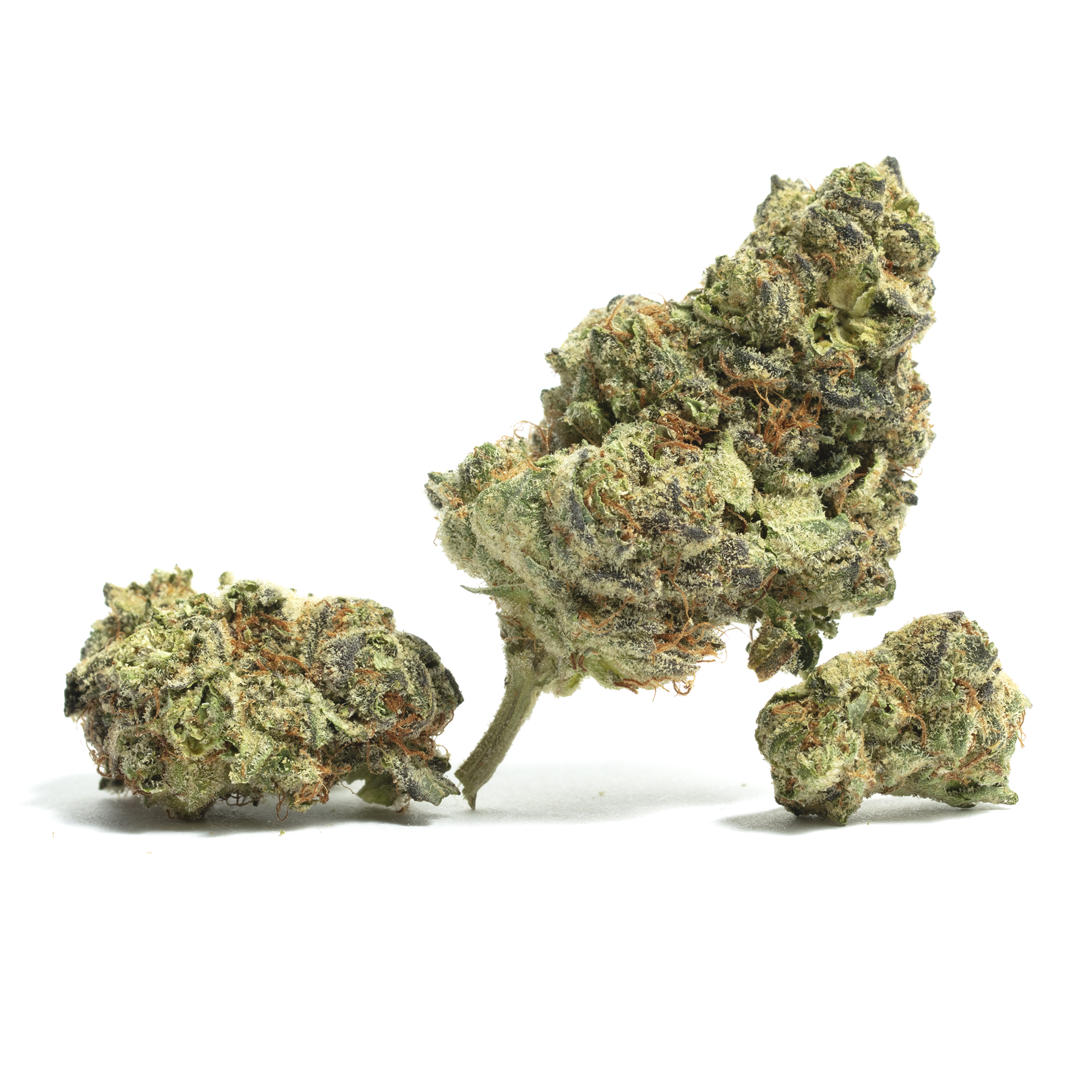
Lemon Skunk is a sativa-dominant hybrid that was created through extensive phenotype selection of Skunk genetics to identify and stabilize plants expressing an intense lemon aroma and flavor. The result is a strain that delivers THC levels in the 15-22% range with a terpene profile dominated by limonene, caryophyllene, and myrcene, producing a bright, unmistakable lemon-citrus aroma with underlying skunky depth. Lemon Skunk is prized for its energetic and happy effects, making it one of the most cheerful and accessible sativa strains available. The strain has won multiple Cannabis Cup awards and remains a benchmark for citrus-forward cannabis genetics.
¶ Quick Stats
| Attribute | Value |
|---|---|
| Type | Sativa-Dominant Hybrid |
| THC % | 15-22% |
| CBD % | <1% |
| Dominant Terpenes | Limonene, Caryophyllene, Myrcene |
| Flowering Time | 55-65 days |
| Yield | Moderate to High (400-500 g/m² indoor) |
| Growing Difficulty | Moderate |
¶ Genetics & Lineage
Lemon Skunk's genetic composition centers on Skunk phenotype selection:
- Skunk #1 phenotype -- Selected from Skunk #1 (Afghani x Mexican x Colombian) genetics specifically for intense lemon aroma and flavor expression
- The breeding process involved growing large numbers of Skunk plants and identifying individuals that naturally expressed high limonene production, then stabilizing those genetics through selective breeding
Parent lineage: Skunk #1 Phenotype Selection (lemon-expressing phenotype)
The breeding approach for Lemon Skunk was phenotype hunting rather than crossbreeding -- growers cultivated large populations of Skunk genetics and identified the individuals that most strongly expressed lemon terpenes. Those plants were then bred together to stabilize the lemon expression across generations. This approach is one of the most effective ways to enhance specific terpene profiles without introducing new genetic variables.
¶ Cannabinoid Profile
| Cannabinoid | Typical Range |
|---|---|
| THC (Total) | 15-22% |
| CBD | <1% (typically 0.1-0.3%) |
| CBG | 0.5-1.3% |
| CBN | <0.5% (increases with age) |
Lemon Skunk sits in the moderate to high THC range, providing noticeable potency with a cheerful, accessible effect profile.
¶ Terpene Profile
| Terpene | Approximate Share | Notes |
|---|---|---|
| Limonene | 30-45% | Primary terpene; bright lemon, citrus character defining the strain identity |
| Caryophyllene | 15-25% | Significant presence; spicy, peppery depth providing contrast to the lemon |
| Myrcene | 10-15% | Sweet, herbal notes contributing body to the citrus profile |
| Terpinolene | 5-10% | Floral, herbal complexity |
| Pinene | 3-7% | Subtle pine freshness |
The overwhelming limonene dominance produces the bright lemon-citrus aroma that is Lemon Skunk's defining characteristic.
¶ Effects & Experience
Lemon Skunk is widely reported to produce:
- Energy and alertness -- A strong, invigorating effect that promotes daytime activity
- Happy mood lift -- A bright, cheerful elevation that is one of the strain's most cited qualities
- Sociability -- Increased social engagement and conversational energy
- Mental clarity -- Clear-headed cerebral effects that allow functional daytime use
Onset: Effects begin within minutes when smoked or vaporized; 30-90 minutes when consumed orally.
Duration: 2-4 hours for inhaled consumption; 4-8 hours for oral consumption.
Intensity: Moderate. The effects are bright and accessible, making Lemon Skunk suitable for a wide range of users.
⚠️ Effects are self-reported and vary by individual, dose, tolerance, and consumption method. Not a prediction of any individual's experience.
¶ Aroma & Flavor
- Smell: Bright lemon and citrus with underlying skunky depth. The limonene dominance makes the aroma immediately recognizable as lemon -- it is one of the most distinctly lemon-smelling strains available, with the Skunk heritage providing a pungent foundation.
- Taste: Lemon and citrus on the inhale, with skunky and slightly sweet notes on the exhale. The flavor is bold and refreshing, closely matching the aroma and appealing to users who appreciate bright, citrus-forward cannabis profiles.
¶ Medical Usesdanger
Not Medical Advice -- The following lists commonly reported therapeutic applications. This does not constitute medical advice. Consult a healthcare professional before using cannabis therapeutically.
Commonly reported uses include:
- Depression and low mood -- The uplifting, happy effect is frequently cited for significant mood elevation
- Fatigue -- The energizing quality provides strong daytime functionality
- Stress relief -- The cheerful cerebral effects are reported to reduce mental stress
- Appetite stimulation -- The bright lemon flavor profile is reported to encourage appetite
- Nausea -- The clear-headed effects allow functional relief from nausea
¶ Adverse Effects
Commonly reported adverse effects:
- Dry mouth
- Dry eyes
- Anxiety or racing thoughts at higher doses
- Increased heart rate
- Dizziness
- Difficulty sleeping if used late in the day
- The pungent skunky aroma can be difficult to mask during growing
¶ Growing Information
| Attribute | Details |
|---|---|
| Difficulty | Moderate -- requires some experience but the Skunk heritage makes it reliable |
| Flowering Time | 55-65 days (indoor) -- reasonable and reliable, inherited from Skunk genetics |
| Yield | 400-500 g/m² indoor; 500+ g/plant outdoor |
| Plant Height | Medium -- sativa stretch is moderate; the Skunk heritage keeps height manageable |
| Preferred Environment | Indoor or outdoor; prefers warm, sunny conditions with good air circulation. The lemon terpene expression is most pronounced in warm, dry conditions. |
| Resistance | Good resistance to mold and pests. The Skunk heritage contributes significant resilience and reliability. Responds well to SOG, SCROG, and topping. Odor control is a significant consideration due to the pungent aroma. |
Lemon Skunk is moderately easy to grow. The Skunk heritage makes it one of the more reliable and resilient sativa-dominant strains available. The reasonable flowering time (55-65 days) is an advantage. The most notable growing consideration is odor control -- the lemon-skunky aroma is extremely strong and requires effective carbon filtration and sealed growing spaces. Outdoor harvest in the Northern Hemisphere typically falls in late September to early October. The plant performs well in both indoor and outdoor environments.
¶ Awards & Recognition
- Lemon Skunk has won multiple Cannabis Cup awards across different years and competitions
- The strain is widely recognized as one of the best citrus-forward cultivars in the cannabis industry
- Second Place, High Times Spannabis Cup (multiple accounts)
- The phenotype selection approach that produced Lemon Skunk is cited as a model for terpene-focused breeding
- Multiple seed banks offer Lemon Skunk genetics, reflecting its commercial popularity and respect
¶ Similar Strains
- Super Lemon Haze -- Comparable lemon-citrus sativa with Haze genetics
- Clementine -- Similar bright citrus sativa-dominant
- Tangie -- Comparable citrus-forward sativa
- Sour Diesel -- Similar pungent, energetic sativa
Back to Strain Database | Sativa Strains | Strain Template Guide