¶ White Widow
¶ Overview
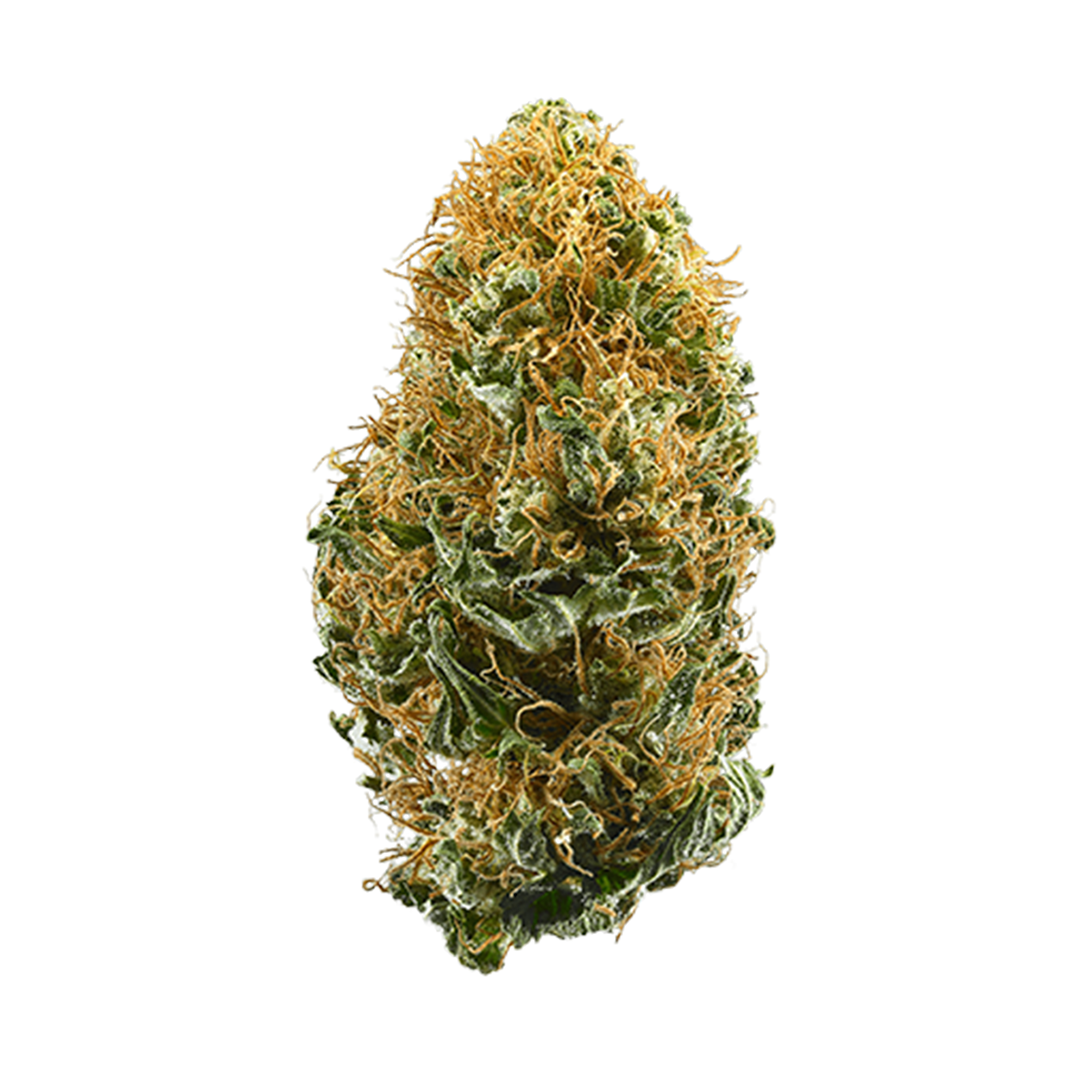
White Widow is a balanced hybrid cultivar with a slight sativa leaning, created by Green House Seeds in the Netherlands during the early 1990s by crossing a Brazilian sativa landrace with a South Indian indica. It is one of the most famous cannabis cultivars in the world, defining the Dutch coffee shop era of the 1990s. Named for its exceptionally dense white trichome coverage that gives the flowers a frosty appearance, White Widow has a THC range of 18-25%, a myrcene-dominant terpene profile, and an earthy-woody-pine aroma. Its effects are balanced and versatile, combining cerebral energy with body relaxation. As a multiple Cannabis Cup winner and Green House Seeds creation, White Widow holds a place of honor in cannabis breeding history.
¶ Quick Stats
| Attribute | Value |
|---|---|
| Type | Balanced hybrid (sativa-leaning) |
| THC % | 18-25% |
| CBD % | <1% |
| Dominant Terpenes | Myrcene, Pinene, Caryophyllene |
| Flowering Time | 55-65 days |
| Yield | Moderate to High (450-600 g/m² indoor) |
| Growing Difficulty | Easy to Moderate |
¶ Genetics & Lineage
White Widow is a hybrid combining two geographically distant landrace populations.
Parent lineage: Brazilian sativa x South Indian indica
The Brazilian sativa parent was sourced from southern Brazil's tropical growing regions, adapted to warm, humid conditions over many generations. Brazilian sativa landraces are characterized by tall structure, long flowering times, and clean, energizing effects. The South Indian indica parent originated from southern India's hashish-producing regions, where populations were shaped by natural selection and human cultivation for resin production. South Indian indicas are characterized by compact structure, dense resin production, shorter flowering times, and deeply relaxing body effects. Crossing these two produces a balanced hybrid estimated at approximately 55% sativa / 45% indica that combines the cerebral energy of the Brazilian sativa with the resin production and body relaxation of the South Indian indica. White Widow was created by Green House Seeds in Amsterdam and first released in the early 1990s, quickly becoming the defining cultivar of the Dutch coffee shop era. Its genetics have been used in an enormous number of subsequent breeding programs, and White Widow crosses are found throughout modern strain databases.
¶ Cannabinoid Profile
| Cannabinoid | Typical Range |
|---|---|
| THC (Total) | 18-25% |
| CBD | <1% (typically 0.1-0.3%) |
| CBG | 0.5-1.5% |
| CBN | <0.5% (increases with age) |
White Widow's THC range of 18-25% is strong to very strong. The upper end places it among the more potent classic hybrids, and modern phenotype selections often push toward the higher end. The low CBD content is standard for THC-dominant hybrids.
¶ Terpene Profile
| Terpene | Approximate Share | Notes |
|---|---|---|
| Myrcene | 25-40% | Dominant terpene; earthy, musky, woody notes; contributes to body relaxation |
| Pinene | 10-20% | Fresh pine aroma; associated with mental alertness and clarity |
| Caryophyllene | 8-15% | Spicy, peppery, woody depth; contributes to body relaxation through CB2 receptor binding |
| Terpinolene | 3-8% | Floral, herbal brightness that adds subtle complexity |
| Humulene | 2-5% | Earthy, hoppy background notes |
The myrcene-pinene combination produces a balanced effect: myrcene drives body relaxation from the indica parent, while pinene contributes mental alertness from the sativa side. This balance makes White Widow's effects versatile and broadly appealing.
¶ Effects & Experience
White Widow is widely reported to produce:
- Balanced cerebral energy -- Clear-headed mental lift, energizing without overstimulation
- Body relaxation -- Noticeable physical calmness without couch-lock
- Euphoria -- Sustained, functional mood lift
- Sociability -- Increased social engagement, popular in group settings
- Creativity -- Enhanced creative thinking
Onset: Effects begin within minutes when smoked or vaporized; 30-90 minutes when consumed orally.
Duration: 2-4 hours for inhaled consumption; 4-8 hours for oral consumption.
Intensity: Strong to very strong. The 18-25% THC range means White Widow can produce significant effects even at moderate doses, particularly for consumers with low tolerance.
⚠️ Effects are self-reported and vary by individual, dose, tolerance, and consumption method. Not a prediction of any individual's experience. White Widow's high THC range means dosing should be approached carefully, particularly by inexperienced consumers. The balanced hybrid effects mean the experience can shift toward either cerebral energy or body relaxation depending on dose and individual biology.
¶ Aroma & Flavor
- Smell: Earthy and woody with pine freshness. The myrcene-dominant profile creates the characteristic earthy, musky aroma layered with pine freshness from pinene and woody depth from caryophyllene. The overall scent is rich, resinous, and complex, with the dense trichome coverage contributing to a particularly aromatic profile.
- Taste: Earthy and woody on the inhale with pine and slightly spicy notes on the exhale. The flavor carries the rich, resinous character of the aroma with a smooth, earthy-woody palate and a faint pine-and-spice finish. The smooth smoke is a hallmark of well-cured White Widow flower.
¶ Medical Usesdanger
Not Medical Advice -- The following lists commonly reported therapeutic applications. This does not constitute medical advice. Consult a healthcare professional before using cannabis therapeutically.
Commonly reported uses include:
- Stress and tension -- The balanced effect addresses both mental and physical stress
- Chronic pain -- Myrcene and caryophyllene may contribute to functional pain relief
- Depression and low mood -- The euphoric, uplifting effect for mood elevation
- Fatigue -- Sativa-leaning energy combats daytime fatigue
¶ Adverse Effects
Commonly reported adverse effects:
- Dry mouth
- Dry eyes
- Anxiety possible at higher doses, particularly in inexperienced users
- Increased heart rate
- Paranoia possible at high doses
- Dizziness when standing quickly at higher doses
- Sedation possible when consumed in larger quantities, despite the sativa-leaning classification
¶ Growing Information
| Attribute | Details |
|---|---|
| Difficulty | Easy to Moderate -- forgiving of common mistakes; suitable for growers with some experience |
| Flowering Time | 55-65 days (indoor) |
| Yield | 450-600 g/m² indoor; 550-750 g/plant outdoor |
| Plant Height | Medium -- manageable height; well-suited to indoor growing |
| Preferred Environment | Indoor or outdoor; highly adaptable. Prefers warm, stable conditions but tolerates a range of environments. |
| Resistance | Good resistance to mold and pests. The South Indian indica genetics contribute strong disease resistance. The dense trichome coverage may provide some natural pest deterrence. Good airflow during flowering is recommended to prevent bud rot in humid environments. |
White Widow is an approachable cultivar inheriting resilience from both parent landraces. The plant stays at a manageable height indoors. The flowering time of 55-65 days is efficient for a balanced hybrid. The defining growing characteristic is its exceptionally dense white trichome coverage, which develops during late flowering and gives the buds their signature frosty appearance. This heavy resin production makes White Widow an excellent candidate for extraction and hash production. Outdoor harvest in the Northern Hemisphere typically falls in early to mid-October. The strain responds well to topping, LST, and SCROG methods.
¶ Awards & Recognition
- High Times Cannabis Cup Winner -- Won in 1995, cementing its status as a defining cultivar of the 1990s Dutch coffee shop era
- Green House Seeds flagship strain -- One of the most famous and commercially successful creations of the Amsterdam-based seed company
- Cultural icon -- Recognized globally as one of the most famous cannabis cultivars
- Genetic foundation -- Used in numerous breeding programs, producing White Russian, White Rhino, Blue Widow, and many other "White" crosses
- Enduring popularity -- Remains widely available and frequently requested worldwide despite being created in the early 1990s
¶ Similar Strains
- AK-47 -- Similar classic Dutch-bred hybrid with balanced effects
- Super Silver Haze -- Comparable award-winning Dutch cultivar
- Durban Venom -- Similar sativa-influenced hybrid with resilience
- OG Kush -- Comparable foundational hybrid with cultural impact
Back to Strain Database | Sativa Strains | Strain Template Guide