¶ Northern Lights
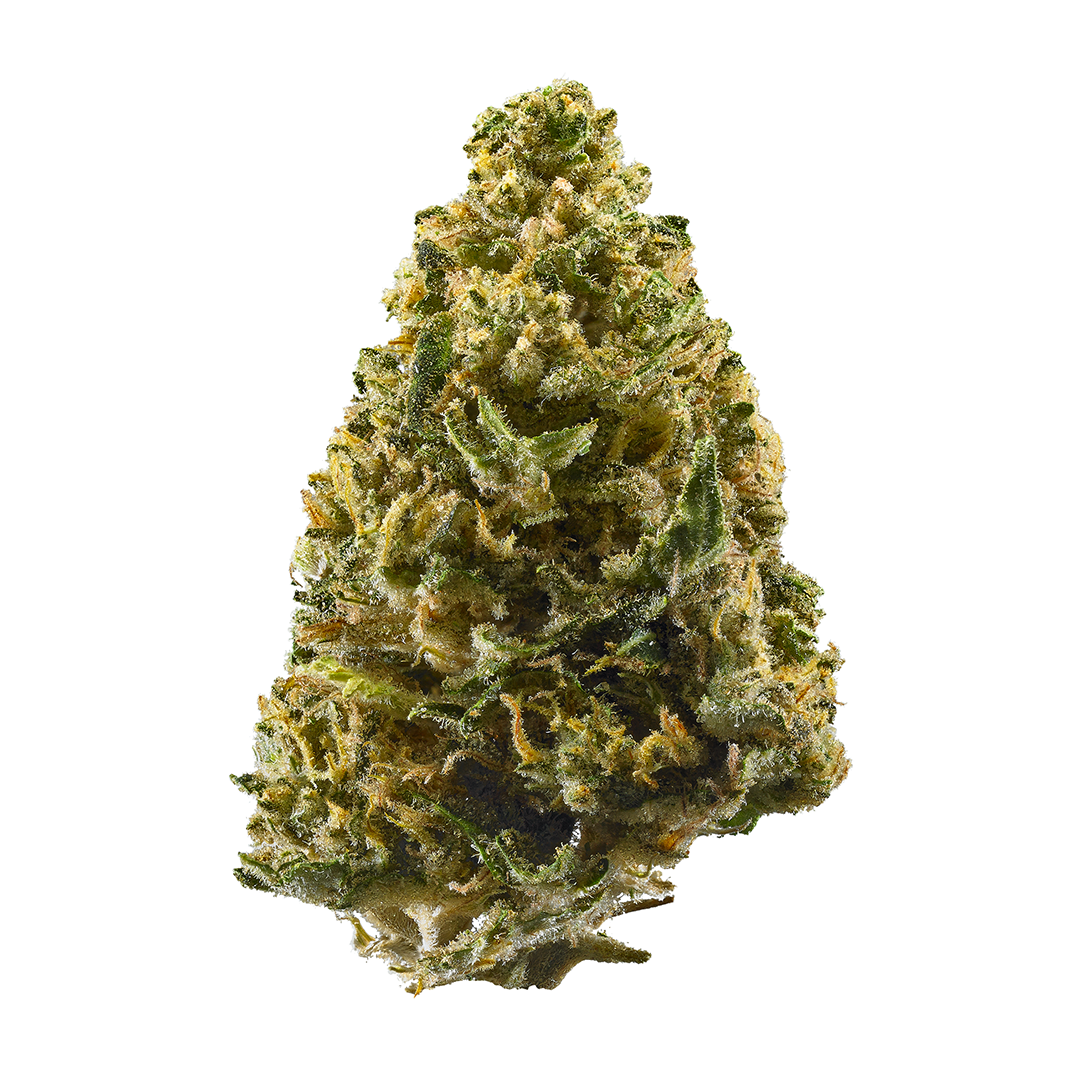
¶ Overview
Northern Lights is a pure indica cultivar and one of the most recognizable names in cannabis history. Originally developed in the Pacific Northwest of the United States from Afghani landrace genetics, Northern Lights was later refined and stabilized in the Netherlands. Its reputation for consistent quality, deeply relaxing effects, and straightforward cultivation has made it a foundational strain in modern cannabis breeding. Nearly every major "Lights" variety (Super Silver Haze, Shiva Skunk, and others) traces at least part of its lineage to Northern Lights genetics.
¶ Quick Stats
| Attribute | Value |
|---|---|
| Type | Indica |
| THC % | 16-21% |
| CBD % | <1% |
| Dominant Terpenes | Myrcene |
| Flowering Time | 45-50 days |
| Yield | Moderate to high (400-500 g/m² indoor) |
| Growing Difficulty | Easy |
¶ Genetics & Lineage
Northern Lights descends from Afghani landrace indica genetics that were brought to the Pacific Northwest in the 1970s. The original plants were selectively bred over several generations in the Oregon and Washington area before clones were taken to the Netherlands in the late 1980s. Dutch breeders at Sensi Seeds further stabilized the genetics, producing the Northern Lines #1 through #10 phenotypes. The exact number of original mother plants is debated, but most accounts reference between five and eleven distinct phenotypes.
Parent lineage: Afghani landrace indica
Northern Lights has since been crossed with numerous other strains to produce derivatives including Shiva Skunk (Northern Lights x Skunk), Super Silver Haze (Northern Lights x Skunk x Haze), and Jack Herer (which includes Northern Lights #5 genetics).
¶ Cannabinoid Profile
| Cannabinoid | Typical Range |
|---|---|
| THC (Total) | 16-21% |
| CBD | <1% (typically 0.1-0.3%) |
| CBG | 0.5-1.5% |
| CBN | <0.5% (increases with age) |
Northern Lights is a THC-dominant strain with negligible CBD content. The moderate THC range by modern standards is paired with a consistent cannabinoid profile, which contributes to its reliable and predictable effects.
¶ Terpene Profile
| Terpene | Approximate Share | Notes |
|---|---|---|
| Myrcene | 40-60% | Dominant terpene; contributes earthy, herbal aroma and is associated with sedating effects |
| Caryophyllene | 10-20% | Peppery, spicy notes; may contribute to anti-inflammatory properties |
| Pinene | 5-15% | Adds subtle pine freshness to the aroma |
| Limonene | 5-10% | Minor presence, adds faint citrus sweetness |
| Linalool | 2-8% | Floral undertones |
Myrcene dominance is characteristic of Northern Lights and aligns with its deeply relaxing effect profile.
¶ Effects & Experience
Northern Lights is widely reported to produce:
- Deep physical relaxation -- A heavy, calming body sensation that begins shortly after consumption
- Sedation -- At higher doses, pronounced drowsiness that makes this strain suited to evening or nighttime use
- Mild euphoria -- A gentle mood lift that accompanies the physical relaxation without intense cerebral stimulation
- Stress relief -- Commonly reported reduction in mental tension and worry
Onset: Effects typically begin within minutes when smoked or vaporized; 30-90 minutes when consumed orally.
Duration: 1.5-3 hours for inhaled consumption; 4-8 hours for oral consumption.
Intensity: Moderate. Northern Lights is accessible to less experienced users due to its moderate THC range and smooth, non-overwhelming effect profile.
⚠️ Effects are self-reported and vary by individual, dose, tolerance, and consumption method. Not a prediction of any individual's experience.
¶ Aroma & Flavor
Northern Lights presents a classic indica aroma profile:
- Smell: Sweet and earthy with spicy, herbal undertones. The myrcene-dominant profile gives it a musky, herbal quality that is recognizable as traditional indica.
- Taste: Sweet and mildly spicy on the exhale, with earthy and woody notes. The smoke is generally smooth, which has contributed to the strain's popularity among vaporizer users.
¶ Medical Usesdanger
Not Medical Advice -- The following lists commonly reported therapeutic applications. This does not constitute medical advice. Consult a healthcare professional before using cannabis therapeutically.
Commonly reported uses include:
- Sleep support -- The sedating quality makes it frequently chosen by individuals seeking help with insomnia
- Pain management -- Physical relaxation properties are commonly cited for relief from chronic pain and muscle tension
- Stress and anxiety reduction -- The calming cerebral effect is reported to help with stress-related tension
- Appetite stimulation -- Like many THC-dominant strains, Northern Lights is reported to increase appetite
¶ Adverse Effects
Commonly reported adverse effects:
- Dry mouth (cottonmouth)
- Dry eyes
- Drowsiness (may be undesirable during daytime hours)
- Mild dizziness at higher doses
- Potential for anxiety or paranoia in THC-sensitive individuals, though less commonly reported than with high-THC sativa strains
¶ Growing Information
| Attribute | Details |
|---|---|
| Difficulty | Easy -- resilient and forgiving of common growing mistakes |
| Flowering Time | 45-50 days (indoor) |
| Yield | 400-500 g/m² indoor; 575-625 g/plant outdoor |
| Plant Height | Short to medium -- compact structure, well-suited to indoor and stealth growing |
| Preferred Environment | Indoor or outdoor; performs well in both |
| Resistance | Good resistance to mold, pests, and diseases. Tolerates temperature fluctuations well. |
Northern Lights is considered one of the easiest strains to grow, making it an excellent choice for beginners. Its compact size, fast flowering time, and resilience to common problems have made it a staple in breeding programs and grow rooms worldwide. Outdoor harvest in the Northern Hemisphere typically falls in late September to early October.
¶ Awards & Recognition
Northern Lights and its derivatives have won multiple awards:
- High Times Cannabis Cup -- Northern Lines won multiple times in the 1980s and 1990s in the Indica category
- High Times Cannabis Cup -- Super Northern Lights and related varieties have also placed
- Widely recognized as one of the most influential strains in cannabis breeding history
¶ Similar Strains
- Afghani -- Parent landrace lineage
- Hindu Kush -- Similar pure indica landrace profile
- Purple Kush -- Comparable relaxing indica effects
- Bubba Kush -- Similar sedating indica character
Back to Strain Database | Indica Strains | Strain Template Guide