¶ Hindu Kush
¶ Overview
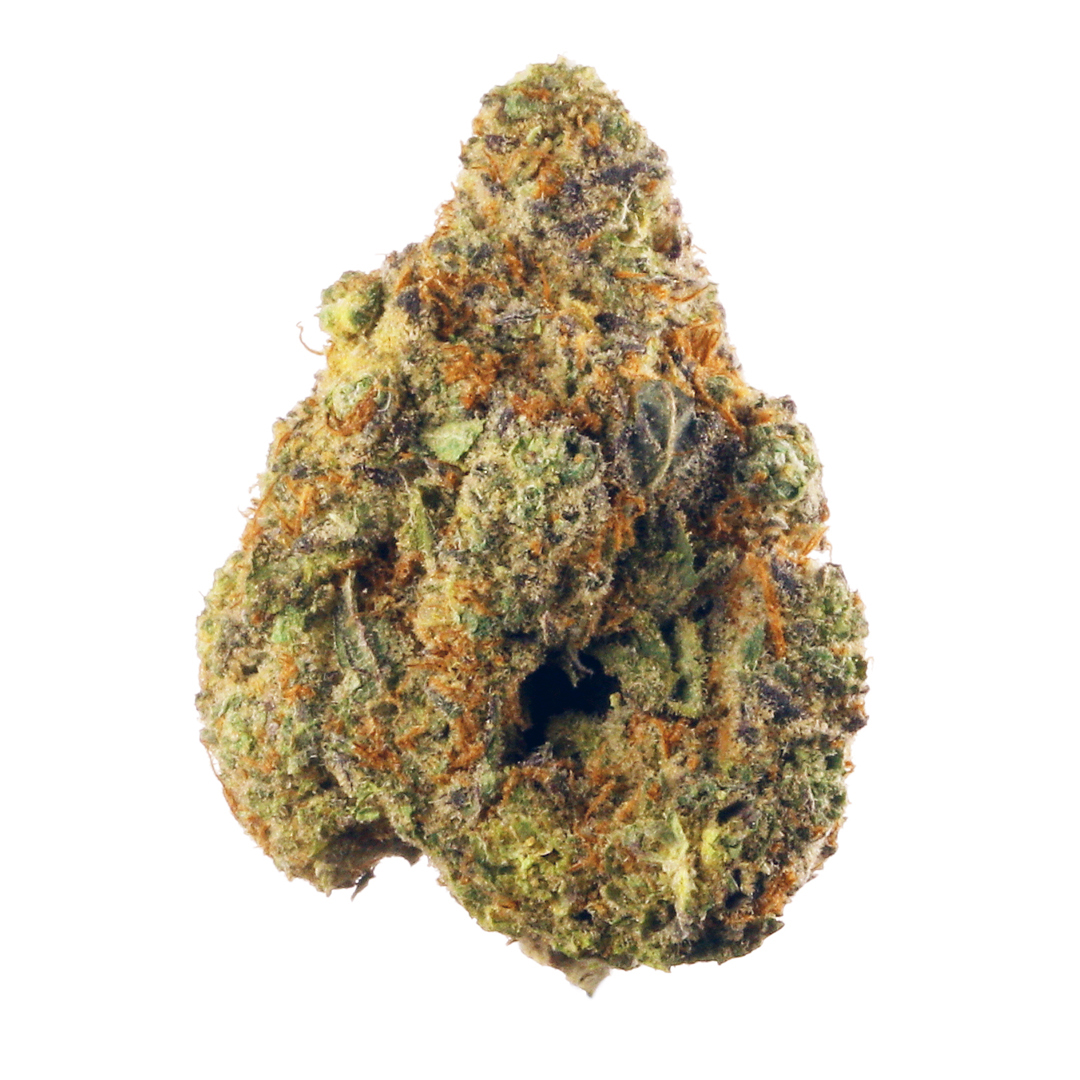
Hindu Kush is a pure landrace indica cultivar originating from the Hindu Kush mountain range, a 500-mile stretch of mountains along the border between Pakistan and India near Afghanistan. The harsh, dry, and windy conditions of this high-altitude environment shaped a plant that is exceptionally resilient, compact, and heavily resinous. Hindu Kush has been used extensively in breeding programs due to its reliable genetics, resilience, and classic indica effects. It is one of the foundational landrace strains alongside Afghani that underpins modern indica breeding.
¶ Quick Stats
| Attribute | Value |
|---|---|
| Type | Indica |
| THC % | 15-20% |
| CBD % | <1% |
| Dominant Terpenes | Myrcene, Caryophyllene |
| Flowering Time | 45-50 days |
| Yield | Moderate (350-450 g/m² indoor) |
| Growing Difficulty | Easy |
¶ Genetics & Lineage
Hindu Kush is a landrace strain -- a naturally occurring population that adapted over generations to the specific high-altitude, arid conditions of the Hindu Kush mountain range.
Parent lineage: Pure landrace -- no intentional crossbreeding
The geographic proximity of the Hindu Kush range to the Afghan region means these genetics share characteristics with Afghani landrace plants, but the specific microclimate of the Hindu Kush mountains -- including extreme temperature swings, high UV exposure, and limited water -- produced a distinctly resilient and aromatic plant. Hindu Kush has been crossed with numerous other strains over the decades, including in Purple Kush (Hindu Kush x Purple Afghani) and OG Kush lineages.
¶ Cannabinoid Profile
| Cannabinoid | Typical Range |
|---|---|
| THC (Total) | 15-20% |
| CBD | <1% (typically 0.1-0.5%) |
| CBG | 0.5-1.5% |
| CBN | <0.5% (increases with age) |
Hindu Kush maintains a moderate THC range consistent with traditional landrace indicas. Its effects are driven as much by its distinctive terpene profile as by its cannabinoid content.
¶ Terpene Profile
| Terpene | Approximate Share | Notes |
|---|---|---|
| Myrcene | 40-60% | Primary terpene; earthy, herbal base |
| Caryophyllene | 15-25% | Significant presence; spicy, woody notes contributing to the sandalwood character |
| Pinene | 5-10% | Pine undertones |
| Humulene | 3-8% | Earthy, hoppy accents |
| Linalool | 2-5% | Subtle floral notes enhancing the sandalwood quality |
The myrcene-caryophyllene combination, with supporting linalool, produces the distinctive earthy-sandalwood-sweet aroma that identifies Hindu Kush.
¶ Effects & Experience
Hindu Kush is widely reported to produce:
- Relaxation -- A deep, calming body effect that releases physical tension
- Mellow calm -- A gentle mental relaxation without significant cerebral stimulation
- Sedation -- Progressive drowsiness at moderate to higher doses, leading to sleep
- Grounding -- A stable, centered feeling that is less intense than some modern high-THC indicas
Onset: Effects begin within minutes when smoked or vaporized; 30-90 minutes when consumed orally.
Duration: 2-3 hours for inhaled consumption; 4-8 hours for oral consumption.
Intensity: Mild to moderate. Hindu Kush provides a gentle, manageable indica experience that is well-suited to users who find modern high-THC strains overwhelming.
⚠️ Effects are self-reported and vary by individual, dose, tolerance, and consumption method. Not a prediction of any individual's experience.
¶ Aroma & Flavor
- Smell: Earthy and woody with distinctive sandalwood and sweet undertones. The caryophyllene content gives it a spicy, incense-like quality that differentiates it from the more purely musky Afghani profile.
- Taste: Earthy, woody, and slightly sweet on the inhale, with sandalwood and herbal notes on the exhale. The smoke is smooth and the flavor is classic and traditional.
¶ Medical Usesdanger
Not Medical Advice -- The following lists commonly reported therapeutic applications. This does not constitute medical advice. Consult a healthcare professional before using cannabis therapeutically.
Commonly reported uses include:
- Pain relief -- Deep relaxation is commonly cited for chronic pain, arthritis, and muscle tension
- Insomnia -- The sedating quality supports sleep onset
- Stress and anxiety -- The mellow, calming effect is frequently reported for stress management
- Nausea -- Commonly used to address nausea and stimulate appetite
¶ Adverse Effects
Commonly reported adverse effects:
- Dry mouth
- Dry eyes
- Drowsiness
- Dizziness at higher doses
- Lethargy with heavy use
¶ Growing Information
| Attribute | Details |
|---|---|
| Difficulty | Easy -- exceptionally resilient and forgiving |
| Flowering Time | 45-50 days (indoor) -- among the fastest flowering strains |
| Yield | 350-450 g/m² indoor; 450-550 g/plant outdoor |
| Plant Height | Short -- very compact and bushy, one of the shortest cultivars |
| Preferred Environment | Indoor or outdoor; adapted to dry, mountainous conditions with temperature fluctuations |
| Resistance | Excellent resistance to pests, diseases, cold, and wind. Evolved in harsh mountain conditions, making it one of the most resilient strains available. Tolerates nutrient imbalances well. |
Hindu Kush is one of the easiest strains to grow. Its landrace genetics have produced a plant that is virtually bulletproof in most growing environments. The very short flowering time (45-50 days) and compact size make it ideal for small indoor spaces and SOG setups. Its resilience to cold, wind, and pests -- inherited from its harsh mountain habitat -- makes it forgiving of beginner mistakes. Outdoor harvest in the Northern Hemisphere typically falls in mid to late September.
¶ Awards & Recognition
- Hindu Kush as a landrace has not competed in modern Cannabis Cup competitions in its pure form
- Its genetics have been incorporated into numerous award-winning crosses, including Purple Kush
- Recognized by breeders and historians as one of the most important landrace indica genetics
¶ Similar Strains
- Afghani -- Neighboring landrace indica with similar characteristics
- Northern Lights -- Afghani-derived indica with similar relaxing effects
- Purple Kush -- Hindu Kush x Purple Afghani cross
- Skywalker OG -- Contains Hindu Kush genetics through OG Kush lineage
Back to Strain Database | Indica Strains | Strain Template Guide