¶ Afghani
¶ Overview
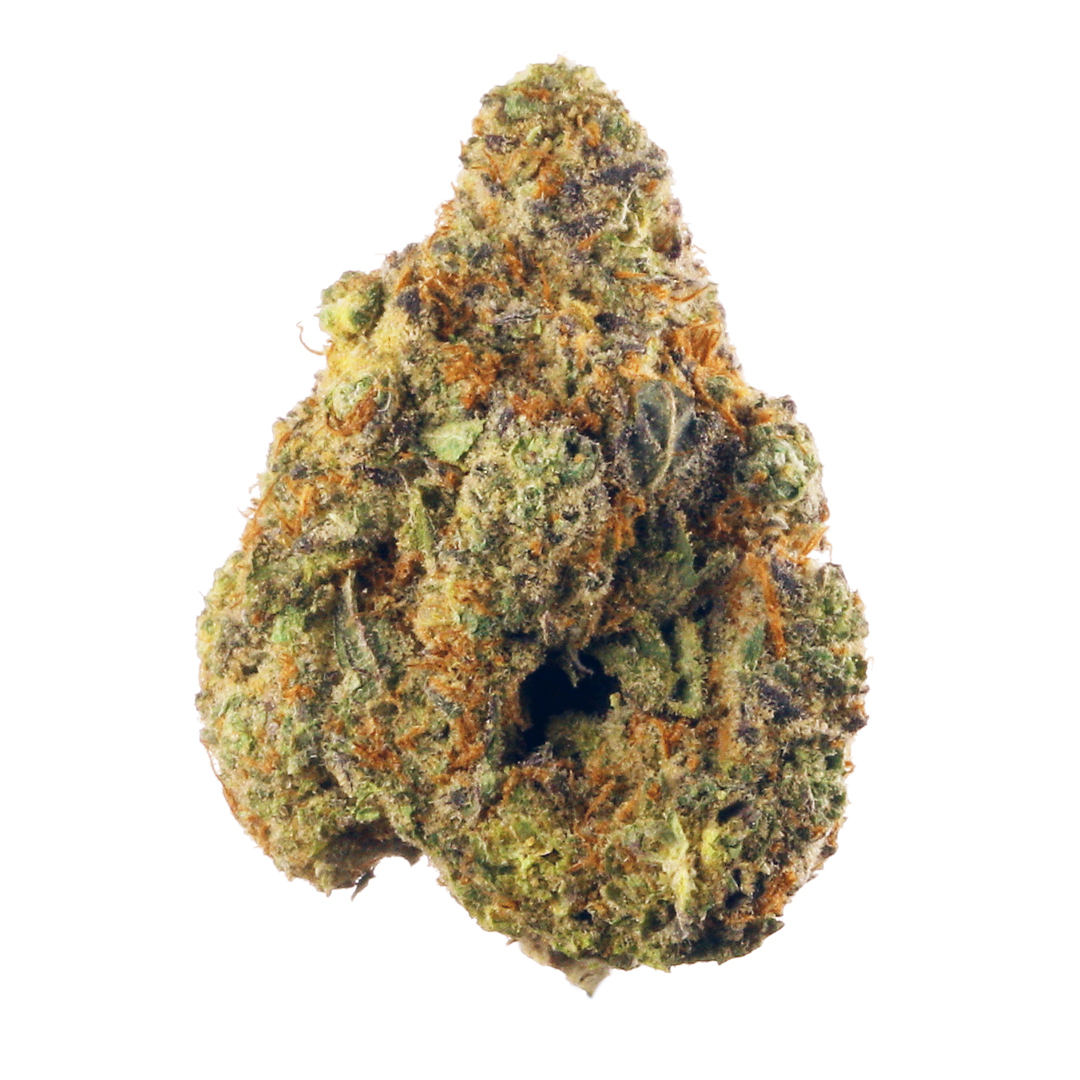
Afghani is a pure landrace indica cultivar originating from the mountainous regions of Afghanistan. As one of the original landrace strains brought westward during the 1960s and 1970s, Afghani genetics form the backbone of a vast majority of modern indica and hybrid cultivars. Its heavy resin production made it the foundation of traditional hashish-making in its native region, and it remains one of the most important genetics in cannabis breeding history. Afghani is valued for its reliable earthy and sweet aroma, deeply calming effects, and straightforward cultivation.
¶ Quick Stats
| Attribute | Value |
|---|---|
| Type | Indica |
| THC % | 15-20% |
| CBD % | <1% |
| Dominant Terpenes | Myrcene |
| Flowering Time | 45-55 days |
| Yield | Moderate (400-500 g/m² indoor) |
| Growing Difficulty | Easy |
¶ Genetics & Lineage
Afghani is a landrace strain -- a naturally occurring cannabis population that adapted to the specific climate and geography of Afghanistan over many generations without intentional human breeding. The plants grew in the rugged, arid mountainous regions of central Asia, developing the compact, resinous, and resilient characteristics typical of landrace indicas.
Parent lineage: Pure landrace -- no intentional crossbreeding
During the 1960s and 1970s, travelers and breeders collected Afghani seeds and brought them to Europe, North America, and the Netherlands. These genetics were then crossed with other landraces and hybrids to produce the majority of modern indica and hybrid cultivars. Strains such as Northern Lights, Hindu Kush crosses, and virtually every "Kush" variety carry Afghani genetics.
¶ Cannabinoid Profile
| Cannabinoid | Typical Range |
|---|---|
| THC (Total) | 15-20% |
| CBD | <1% (typically 0.1-0.5%) |
| CBG | 0.5-1.5% |
| CBN | <0.5% (increases with age) |
Afghani's THC levels are moderate by modern standards but were considered high when the strain was first encountered by Western breeders. The moderate potency contributes to its manageable, predictable effects.
¶ Terpene Profile
| Terpene | Approximate Share | Notes |
|---|---|---|
| Myrcene | 50-70% | Overwhelmingly dominant; responsible for the earthy, musky, hash-like aroma |
| Caryophyllene | 10-20% | Spicy, peppery depth |
| Humulene | 3-8% | Earthy, hoppy notes |
| Pinene | 2-5% | Subtle pine freshness |
The exceptionally high myrcene content is characteristic of Central Asian landrace indicas and directly produces the classic hash-like aroma associated with traditional Afghan hashish.
¶ Effects & Experience
Afghani is widely reported to produce:
- Deep calming -- A grounding, tranquilizing effect that quiets both body and mind
- Physical relaxation -- Full-body muscle relaxation without overwhelming sedation at moderate doses
- Mild euphoria -- A gentle, comfortable mood lift
- Sedation -- At higher doses, progressive drowsiness leading to sleep
Onset: Effects begin within minutes when smoked or vaporized; 30-90 minutes when consumed orally.
Duration: 2-3 hours for inhaled consumption; 4-8 hours for oral consumption.
Intensity: Mild to moderate. Afghani is accessible to newer users and provides a gentle, predictable indica experience.
⚠️ Effects are self-reported and vary by individual, dose, tolerance, and consumption method. Not a prediction of any individual's experience.
¶ Aroma & Flavor
- Smell: Classic earthy, musky hash aroma with sweet undertones. The smell is often compared to traditional Afghan hashish -- deep, rich, and unmistakably "old-school" cannabis.
- Taste: Earthy and sweet with a hash-like quality on the exhale. The flavor is robust and traditional, appealing to users who appreciate classic cannabis taste over modern fruity or dessert profiles.
¶ Medical Usesdanger
Not Medical Advice -- The following lists commonly reported therapeutic applications. This does not constitute medical advice. Consult a healthcare professional before using cannabis therapeutically.
Commonly reported uses include:
- Pain management -- Grounding relaxation is commonly cited for chronic pain and muscle tension
- Stress and anxiety -- The calming, tranquil effect is frequently reported for stress relief
- Insomnia -- The sedating quality at higher doses supports sleep onset
- Appetite stimulation -- Like many THC-dominant strains, reported to increase appetite
¶ Adverse Effects
Commonly reported adverse effects:
- Dry mouth
- Dry eyes
- Drowsiness
- Mild dizziness at higher doses
- Lethargy or lack of motivation at high doses
¶ Growing Information
| Attribute | Details |
|---|---|
| Difficulty | Easy -- one of the most resilient and forgiving strains to grow |
| Flowering Time | 45-55 days (indoor) |
| Yield | 400-500 g/m² indoor; 500-600 g/plant outdoor |
| Plant Height | Short -- compact, bushy structure |
| Preferred Environment | Indoor or outdoor; thrives in dry, warm climates similar to its native habitat |
| Resistance | Excellent resistance to pests, diseases, and environmental stress. Adapted to arid, rugged conditions. One of the hardiest strains available. |
Afghani is exceptionally easy to grow and is often recommended as a first strain for beginners. Its landrace genetics have endowed it with remarkable resilience -- it tolerates temperature fluctuations, occasional watering mistakes, and suboptimal nutrient regimens better than most modern hybrids. The heavy resin production also provides natural protection against pests. Outdoor harvest in the Northern Hemisphere typically falls in late September.
¶ Awards & Recognition
- Afghani as a landrace has not competed in modern Cannabis Cup competitions in its pure form
- Its derivatives (Northern Lights, countless Kush varieties, and hundreds of hybrids) have collectively won dozens of awards
- Recognized by historians and breeders as one of the most consequential genetics in cannabis breeding
¶ Similar Strains
- Hindu Kush -- Neighboring landrace indica with similar profile
- Northern Lights -- Afghani-derived classic
- Purple Kush -- Hindu Kush x Purple Afghani cross
- LA Confidential -- Contains Afghani genetics
Back to Strain Database | Indica Strains | Strain Template Guide