¶ Clementine
¶ Overview
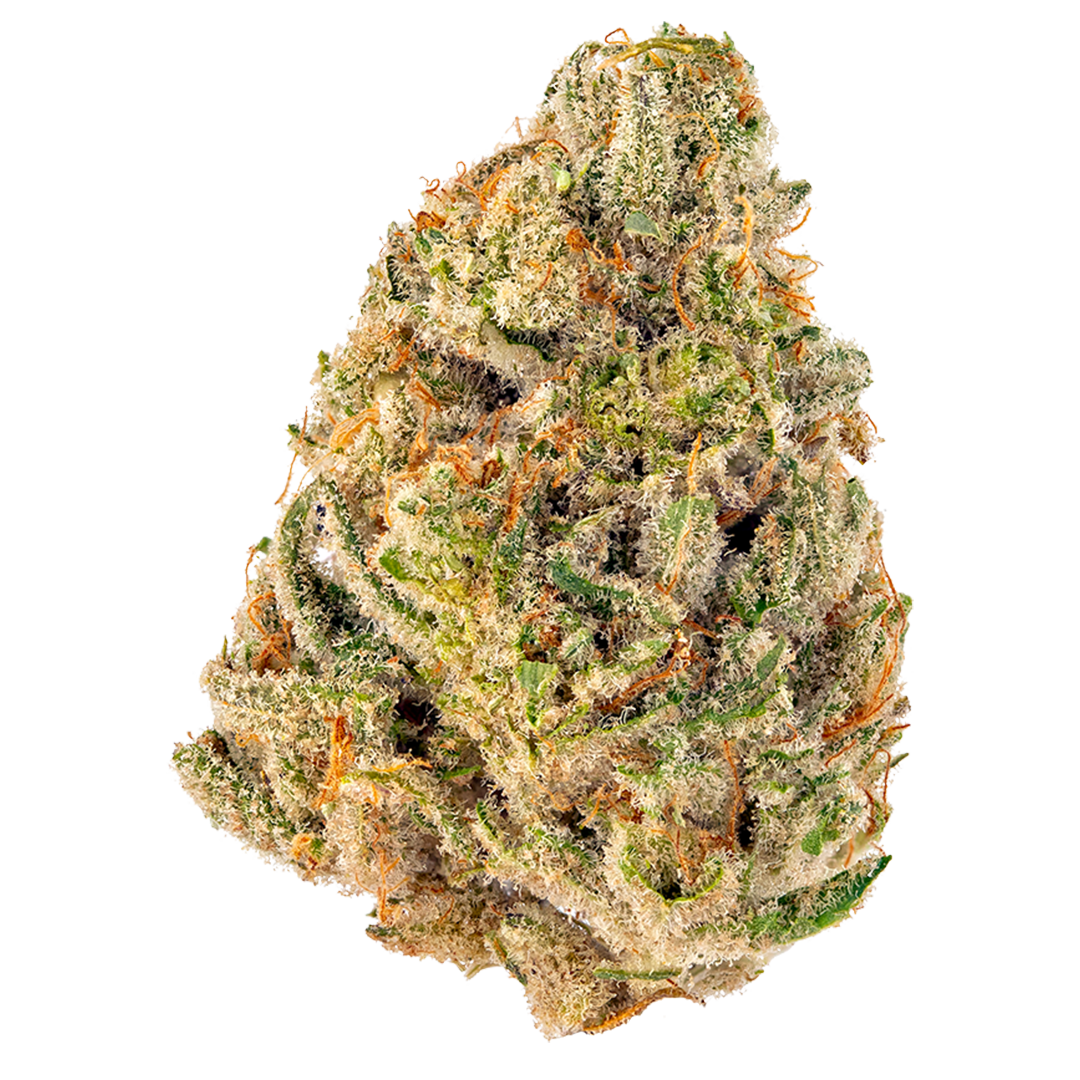
Clementine is a sativa-dominant hybrid that delivers an intensely bright citrus and orange aroma, earning its name from the small, sweet citrus fruit. The strain is widely understood to be a cross of Tangie (itself a refined version of Tangerine Dream) with Lemon Skunk, though some accounts cite Tangie x SFV OG Kush as the parentage. Regardless of the exact second parent, Clementine's defining characteristic is its overwhelming limonene-driven citrus profile, producing THC levels in the 17-22% range with uplifting, creative effects that make it one of the most cheerful and functional sativa strains available. The strain has become a favorite among users seeking mood elevation and creative stimulation with an unmistakable orange-citrus sensory experience.
¶ Quick Stats
| Attribute | Value |
|---|---|
| Type | Sativa-Dominant Hybrid |
| THC % | 17-22% |
| CBD % | <1% |
| Dominant Terpenes | Limonene, Terpinolene, Myrcene |
| Flowering Time | 55-65 days |
| Yield | Moderate (350-450 g/m² indoor) |
| Growing Difficulty | Moderate |
¶ Genetics & Lineage
Clementine's genetic composition centers on citrus-forward genetics:
- Tangie -- A refined version of the original Tangerine Dream, created by crossing California Orange with a Skunk phenotype, known for intense tangerine-citrus aroma
- Lemon Skunk -- A Skunk phenotype selected for bright lemon aroma and flavor, or alternatively SFV OG Kush -- The San Fernando Valley OG phenotype contributing OG structure
Parent lineage: Tangie x Lemon Skunk (or Tangie x SFV OG Kush)
The dominant genetic influence in Clementine is clearly the citrus lineage from Tangie, which carries the California Orange and Skunk heritage. The second parent contributes either additional citrus character (Lemon Skunk) or structural density and resin production (SFV OG Kush). Both accounts produce a strain dominated by bright, sweet citrus expression.
¶ Cannabinoid Profile
| Cannabinoid | Typical Range |
|---|---|
| THC (Total) | 17-22% |
| CBD | <1% (typically 0.1-0.3%) |
| CBG | 0.5-1.3% |
| CBN | <0.5% (increases with age) |
Clementine sits in the upper-moderate to high THC range, providing pronounced potency with a cheerful, accessible effect profile.
¶ Terpene Profile
| Terpene | Approximate Share | Notes |
|---|---|---|
| Limonene | 30-45% | Primary terpene; bright citrus, orange, sweet character |
| Terpinolene | 10-20% | Floral, herbal, citrus notes contributing to the uplifting cerebral quality |
| Myrcene | 10-15% | Sweet, herbal notes providing body to the citrus profile |
| Caryophyllene | 5-10% | Spicy, peppery depth adding complexity |
| Pinene | 3-7% | Subtle pine freshness |
The overwhelming limonene dominance produces the bright citrus-orange aroma that is Clementine's defining characteristic.
¶ Effects & Experience
Clementine is widely reported to produce:
- Uplifting euphoria -- A bright, cheerful mood lift that is immediately noticeable
- Creative stimulation -- Enhanced creative thinking and mental exploration
- Energy and sociability -- Increased energy and social engagement, making it popular for social settings
- Mental clarity -- Clear-headed cerebral effects that allow functional daytime use
Onset: Effects begin within minutes when smoked or vaporized; 30-90 minutes when consumed orally.
Duration: 2-4 hours for inhaled consumption; 4-8 hours for oral consumption.
Intensity: Moderate to strong. The effects are bright and accessible, making Clementine suitable for a wide range of users.
⚠️ Effects are self-reported and vary by individual, dose, tolerance, and consumption method. Not a prediction of any individual's experience.
¶ Aroma & Flavor
- Smell: Bright citrus and orange with sweet, tangy undertones. The limonene dominance makes the aroma immediately recognizable as citrus-forward -- it is one of the most distinctly orange-smelling strains available.
- Taste: Orange and citrus on the inhale, with sweet, slightly tangy notes on the exhale. The flavor is clean and refreshing, closely matching the aroma and appealing to users who appreciate fruity, citrus-forward cannabis profiles.
¶ Medical Usesdanger
Not Medical Advice -- The following lists commonly reported therapeutic applications. This does not constitute medical advice. Consult a healthcare professional before using cannabis therapeutically.
Commonly reported uses include:
- Depression and low mood -- The uplifting, bright effect is frequently cited for significant mood elevation
- Fatigue -- The energizing quality provides strong daytime functionality
- Stress relief -- The cheerful cerebral euphoria is reported to reduce mental stress
- Creative blocks -- The creative stimulation is reported to help overcome mental barriers
- Appetite stimulation -- The bright citrus flavor profile is reported to encourage appetite
¶ Adverse Effects
Commonly reported adverse effects:
- Dry mouth
- Dry eyes
- Anxiety or racing thoughts at higher doses
- Increased heart rate
- Dizziness
- Difficulty sleeping if used late in the day
¶ Growing Information
| Attribute | Details |
|---|---|
| Difficulty | Moderate -- requires some experience but generally manageable |
| Flowering Time | 55-65 days (indoor) -- reasonable for a sativa-dominant strain |
| Yield | 350-450 g/m² indoor; 450+ g/plant outdoor |
| Plant Height | Medium -- sativa stretch is moderate; training recommended for indoor spaces |
| Preferred Environment | Indoor or outdoor; prefers warm, sunny conditions with good air circulation. The citrus terpene profile is most pronounced in warm, dry conditions. |
| Resistance | Moderate resistance to mold and pests. Responds well to SOG, SCROG, and topping. The Skunk heritage in the lineage contributes some resilience. |
Clementine is moderately challenging to grow. Its sativa-dominant characteristics require some height management, but the reasonable flowering time (55-65 days) is an advantage. The citrus terpene expression is most pronounced when grown in warm, dry conditions with adequate light. Outdoor harvest in the Northern Hemisphere typically falls in late September to early October. The strong citrus aroma during growing may require effective carbon filtration in indoor setups.
¶ Awards & Recognition
- Clementine has not won major Cannabis Cup awards as a standalone entry in most accounts
- The strain is highly valued for its intense citrus expression, making it one of the most distinctly orange-flavored cultivars available
- It remains a popular choice among breeders working on citrus-forward genetics
- The Tangie parent lineage has won multiple awards, and Clementine carries forward that citrus tradition
¶ Similar Strains
- Tangie -- Parent lineage; intense tangerine-citrus sativa
- Lemon Skunk -- Possible parent lineage; bright lemon citrus sativa
- Super Lemon Haze -- Comparable citrus-dominant sativa with Haze genetics
- Tropicana Cookies -- Similar bright citrus sativa-dominant
Back to Strain Database | Sativa Strains | Strain Template Guide