¶ Mango Haze
¶ Overview
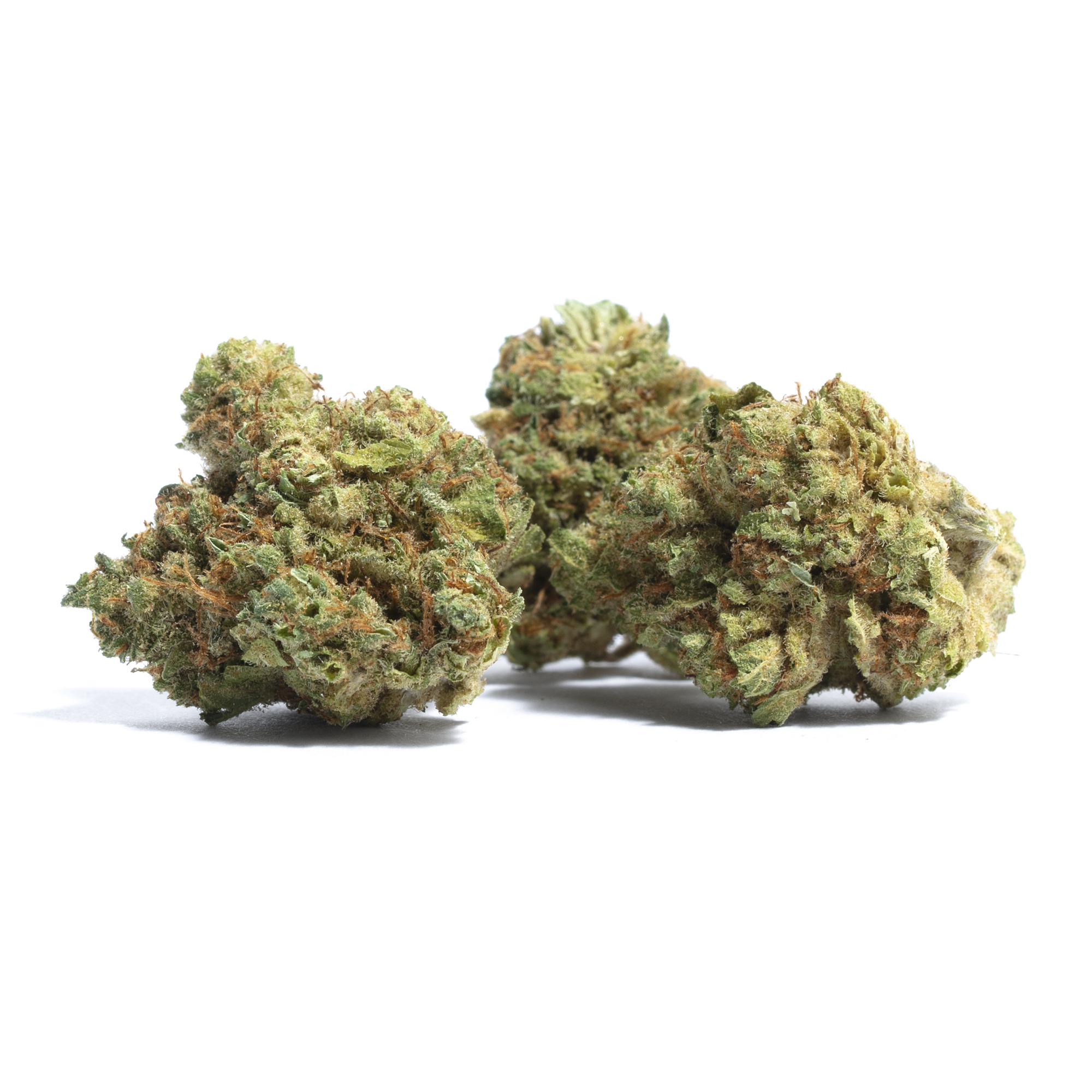
Mango Haze is a sativa-dominant hybrid that fuses the tropical fruit character of Mango genetics with the legendary cerebral energy of Haze. Originally bred by Mr. Nice Seedbank under the guidance of renowned breeder Shantibaba, this strain crosses Northern Lights #5, Skunk, and Haze to produce a cultivar that captures the best of both worlds -- a fruity, aromatic smoke paired with an invigorating, head-focused high.
The strain is celebrated for its distinctive mango-citrus nose layered with floral Haze incense, pine resin, and subtle sweet-basil undertones. On the palate, it delivers smooth mango nectar and tangerine sweetness followed by a gentle Haze spice and white-pepper finish. This terpene-driven profile makes Mango Haze a favorite among connoisseurs who value flavor complexity alongside functional daytime effects.
Mango Haze is particularly suited for daytime use. Its energizing, mood-brightening character makes it popular among creative professionals, social gatherers, and anyone seeking a clear-headed lift without heavy sedation. While it requires patience in the garden due to its longer flowering window and significant vertical stretch, the reward is a stable, resinous harvest with a terpene profile that rewards careful curing.
¶ Quick Stats
| Attribute | Value |
|---|---|
| Type | Sativa-Dominant Hybrid |
| THC % | 16--22% |
| CBD % | <0.5% (standard); 6--12% (CBD chemotype) |
| Dominant Terpenes | Myrcene, Terpinolene, Beta-Caryophyllene |
| Flowering Time | 9--11 weeks |
| Yield | 450--550 g/m² indoor; 600+ g/plant outdoor |
| Growing Difficulty | Moderate |
¶ Genetics & Lineage
Mango Haze is a sativa-dominant hybrid bred by Mr. Nice Seedbank (led by breeder Shantibaba).
- Northern Lights #5 -- A legendary indica known for resin production, vigor, and structural stability
- Skunk #1 -- A foundational hybrid that adds reliability, yield, and a pungent aromatic backbone
- Haze -- A legendary sativa landrace-derived strain known for cerebral, energizing effects and long flowering times
Parent lineage: (Northern Lights #5 x Skunk) x Haze
This three-way cross was designed to blend the fast-flowering reliability and resin density of Northern Lights #5 and Skunk #1 with the soaring, creative sativa energy of classic Haze genetics. The result is a plant that stretches significantly in flower (1.5x to 2.5x) and rewards growers who apply training techniques like topping and SCROG to manage its vertical growth.
¶ Cannabinoid Profile
| Cannabinoid | Typical Range |
|---|---|
| THC (Total) | 16--22% |
| CBD | <0.5% (standard); 6--12% (CBD chemotype) |
| CBG | 0.3--1.0% |
| CBN | <0.1% |
Mango Haze typically expresses a THC-dominant cannabinoid profile with total activated THC ranging from approximately 16% to 22%, derived from THCA levels of 18% to 25%. Standard phenotypes keep CBD well below 1%, though dedicated CBD-focused chemotypes have been developed that express a 1:1 to 2:1 CBD-to-THC ratio (6--12% CBD). CBG appears in modest amounts (0.3--1.0%), contributing to the entourage effect alongside trace CBN. The cannabinoid profile aligns with its sativa-dominant character, delivering an energetic, clear-headed experience at moderate doses.
¶ Terpene Profile
| Terpene | Approximate Share | Notes |
|---|---|---|
| Myrcene | 0.5--1.2% | Primary terpene; contributes ripe mango aroma and may enhance THC permeability |
| Terpinolene | 0.3--0.8% | Adds citrus-floral notes; associated with uplifting, energizing effects |
| Beta-Caryophyllene | 0.2--0.6% | Peppery, spicy undertones; interacts with CB2 receptors |
| Alpha-Pinene | 0.1--0.4% | Pine-fresh aroma; may support focus and alertness |
| Limonene | 0.1--0.3% | Bright citrus character; linked to mood elevation |
Total terpene content typically ranges from 1.5% to 3.0%, with Myrcene as the clear dominant. The combination of Myrcene's tropical fruit character, Terpinolene's citrus-floral lift, and Beta-Caryophyllene's peppery spice creates the complex aroma profile that defines Mango Haze. Alpha-Pinene and Limonene round out the profile with pine freshness and bright citrus notes, respectively. Slow curing (such as the 60-60 method) is critical to preserving this delicate terpene structure.
¶ Effects & Experience
Mango Haze is commonly reported to produce:
- Energized -- A fast-acting cerebral lift that promotes activity and motivation; ideal for daytime use and combating fatigue
- Creative -- Opens up mental headspace conducive to brainstorming, artistic pursuits, and problem-solving without scattered thoughts
- Uplifted -- Noticeable mood brightening that eases stress and mental tension while maintaining functional clarity
- Focused -- Delivers light mental focus and conversational energy, making it suitable for social settings and collaborative work
?.Effects are self-reported and vary by individual, dose, tolerance, and consumption method. Not a prediction of any individual's experience.
Onset: Fast -- effects typically begin within 2--5 minutes of inhalation, with a noticeable cerebral lift arriving quickly.
Duration: Moderate -- peak effects occur between 30--60 minutes, with the total experience lasting approximately 2--3 hours depending on dose and tolerance.
Intensity: Moderate to moderate-high -- the sativa-dominant cannabinoid and terpene profile produces a clear, functional high that is noticeable without overwhelming. Higher doses may intensify cerebral effects and introduce racing thoughts in sensitive users.
Effects are self-reported and vary by individual, dose, tolerance, and consumption method. Not a prediction of any individual's experience.
¶ Aroma & Flavor
- Smell: Prominent ripe mango layered with floral Haze incense, citrus zest (tangerine, sweet lime), pine resin, sweet basil, and subtle pepper and sandalwood notes. The bouquet is distinctly tropical with an earthy, spicy Haze backbone.
- Taste: Smooth inhale of mango nectar and bright citrus; exhale reveals gentle Haze spice and white pepper with a lingering sweet mango-candy finish. The flavor closely mirrors the aroma with added creamy sweetness on the palate.
¶ Medical Uses
Not Medical Advice -- The following lists commonly reported therapeutic applications. This does not constitute medical advice. Consult a healthcare professional before using cannabis therapeutically.
Commonly reported uses include:
- Depression and Low Mood -- The uplifting, mood-brightening character is frequently cited as helpful for easing symptoms of depression and low motivation during daytime hours
- Stress and Anxiety -- At low to moderate doses, the clear-headed sativa energy can ease mental tension and promote a relaxed but functional state
- Fatigue and Chronic Tiredness -- The energizing cerebral lift makes it a popular choice for combating daytime fatigue and restoring motivation without heavy stimulation
- Chronic Pain and Migraines -- Some users report modest relief from mild to moderate chronic pain and migraine symptoms, likely aided by the Myrcene and Beta-Caryophyllene content
¶ Adverse Effects
Commonly reported adverse effects:
- Dry mouth (cottonmouth)
- Dry eyes
- Transient anxiety or racing thoughts (especially at higher doses)
- Dizziness
¶ Growing Information
| Attribute | Details |
|---|---|
| Difficulty | Moderate -- requires training and patience; manageable for growers with basic experience |
| Flowering Time | 9--11 weeks indoor; outdoor harvest late October to November |
| Yield | Indoor: 450--550 g/m²; Outdoor: 600+ g/plant under optimal conditions |
| Plant Height | Tall with sativa-dominant morphology (slender leaves, long internodes); stretches 1.5x--2.5x after flip to flower |
| Preferred Environment | Warm, sunny conditions; benefits from topping, LST, and SCROG to manage height and maximize canopy light penetration |
| Resistance | Moderate bud density improves airflow and mold/powdery mildew resistance; generally resilient when properly trained |
Mango Haze rewards growers who are willing to invest time in canopy management. Its significant vertical stretch during the transition to flowering means that topping, low-stress training (LST), and SCROG (screen of green) are highly recommended to control height and distribute light evenly. The plant expresses noticeable phenotype variation due to its heterozygous genetics, so clonal propagation from a favored mother plant is recommended for consistency. Moderate bud density is a natural advantage, promoting airflow and reducing the risk of mold. A slow, careful cure -- such as the 60-60 method (60% relative humidity for 60 days) -- is critical to preserving the rich terpene profile that makes this strain distinctive.
¶ Awards & Recognition
- High 95 Cup -- 5th Place recognition (Pamolab LLC, Mango Haze entry)
- No widely recognized Cannabis Cup wins on record for the original Mr. Nice Seedbank version, though the parent Mango strain placed 3rd for Best Indica at the 2002 High Times Cannabis Cup
¶ Similar Strains
- Super Lemon Haze -- Shares the classic Haze lineage and citrus-forward terpene profile; Super Lemon Haze leans more heavily into lemon-zest brightness while Mango Haze emphasizes tropical fruit sweetness
- Jack Herer -- Another legendary sativa-dominant strain with energizing cerebral effects and pine-spice notes; Jack Herer is more pine-forward while Mango Haze is distinctly fruity
- Green Crack -- Comparable daytime energy and focus with a sharp, mango-adjacent fruit profile; Green Crack is slightly more intense and less complex in its terpene expression
- Durban Poison -- Pure sativa with clean, uplifting effects and sweet-spicy aroma; Durban Poison is more anise-and-licorice forward while Mango Haze is tropical and citrus-driven